Category: Leather Encyclopedia

  • How to Evaluate Leather Firmness: Bending, Stretch, and Recovery Tests

    Leather firmness cannot be judged accurately from a single touch. Even when two leathers have the same thickness, their resistance to bending, amount of stretch, and recovery speed can differ depending on fiber density, tanning method, surface finish, and oil content.

    Firm leather is not always better, and soft leather is not necessarily lower in quality. A bag body panel that must retain its shape requires different properties from a gusset or folded section that needs to move naturally.

    When choosing leather, do not stop at describing it as simply soft or firm. Evaluate how it bends, stretches, and recovers in a consistent sequence.

    Leather Thickness and Firmness Are Different Properties

    It is easy to assume that thick leather is always firm and thin leather is always soft. However, thickness and firmness are not the same property. Thin leather with dense fibers and a firm surface finish may retain its shape well, while thick leather with a loose fiber structure or high oil content may drape softly.

    Thickness is a physical measurement of the leather, while firmness describes how easily it bends and deforms under external force. The finished shape of a bag should therefore not be predicted from thickness alone.

    For a detailed explanation of how leather thickness affects bag shape and construction, see How Leather Thickness Determines Structural Integrity.

    Compare Leather Samples Under the Same Conditions

    To compare leather firmness accurately, prepare scrap pieces of similar size and orientation. Samples of different sizes will sag differently under their own weight, while different grain directions can produce different amounts of stretch even within the same hide.

    Whenever possible, use test pieces cut to the same width and length, with their grain sides and flesh sides facing the same way. If the leather is unusually cold or damp, allow it to rest in the normal working environment before testing.

    Do not reach a conclusion from a single touch. Repeat the bending, pulling, and pressing tests in the same order and with similar force so that the differences between the samples can be compared consistently.

    Check How the Leather Bends When Folded

    Hold both ends of the leather sample and bend it slowly so that the center forms a gentle curve. Do not create a sharp crease. Observe how much force is required before the leather begins to bend naturally.

    Soft leather forms a tighter curve with less force and tends to sag when released. Firm leather maintains a broader curve and provides greater resistance while being bent.

    Examine the wrinkles that appear on the surface while the leather is bent. Check whether fine wrinkles are distributed naturally, whether one area forms a sharp fold, and whether the surface coating cracks or changes color significantly.

    Leather that bends easily is not necessarily weak. Natural flexibility can be useful for moving sections such as gussets and openings. However, leather that folds too easily may sag after completion when used for broad body panels or bottoms that must retain their shape.

    Check Stretch in Different Directions

    Leather does not stretch equally in every direction. Even within the same piece, the amount of horizontal and vertical stretch can vary according to the grain direction and the area of the hide.

    Hold both sides of the leather sample and pull gently in one direction. Then change the direction and apply a similar amount of force. The purpose is not to deform the sample with excessive force, but to compare which direction moves more easily.

    While pulling, check whether the surface stretches evenly or whether one area becomes thinner or develops concentrated wrinkles. After releasing the leather, observe whether it returns to its original length or remains stretched.

    Positioning the direction with greater stretch along a handle attachment or bag opening that receives repeated force can cause the shape to change during use. When deciding how to orient a leather piece, consider not only its firmness but also the principles explained in Leather Grain Direction: The Invisible Rule That Determines Bag Strength.

    Check How the Leather Recovers After Pressure Is Released

    Place the leather sample on a flat workbench and press it lightly with your thumb for a consistent amount of time. Release the pressure and observe how the indentation and surface changes disappear.

    Leather with good recovery returns to its original condition relatively quickly. If indentations or wrinkles remain for a long time, the shape of the contents or the effects of repeated pressure may become visible on the exterior of the finished item.

    Also check how the leather recovers after it has been folded and released. Observe whether it flattens immediately, retains a gentle curve, or keeps a defined fold line. This helps predict how the leather will behave in the finished item.

    Fast recovery does not make leather suitable for every purpose. Leather that retains some shape may be appropriate for flexible pockets or interior dividers, while broad body panels and bag openings need material that can recover after repeated deformation.

    Distinguish Surface Firmness from Internal Fiber Structure

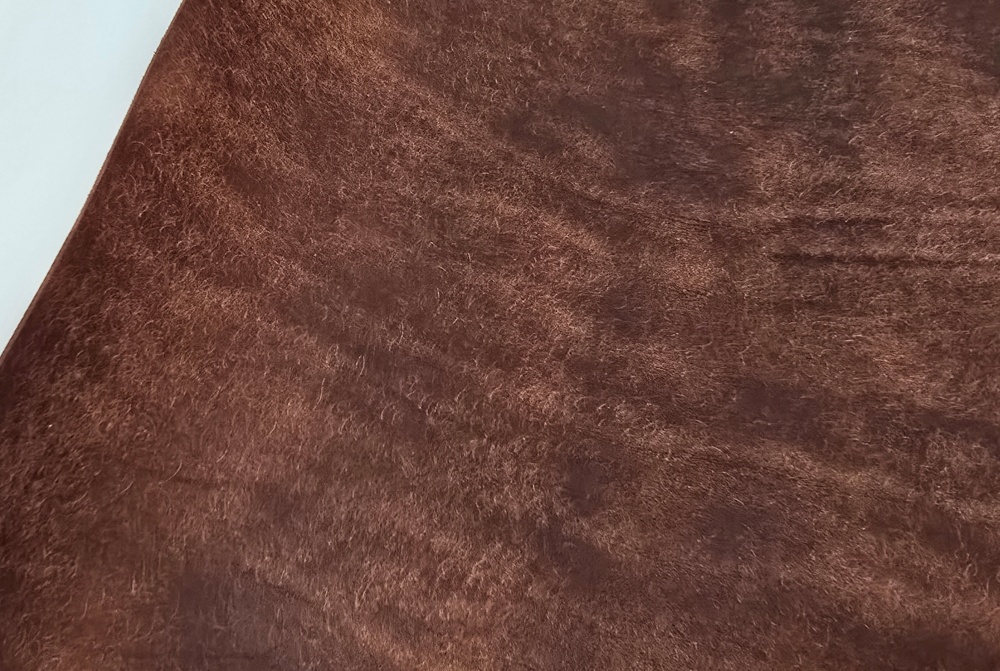
    Leather with a thick coating or strong glossy finish may feel firm when first touched. However, if the fibers on the flesh side are loose, both the surface and internal structure may stretch during use and change the shape of the item.

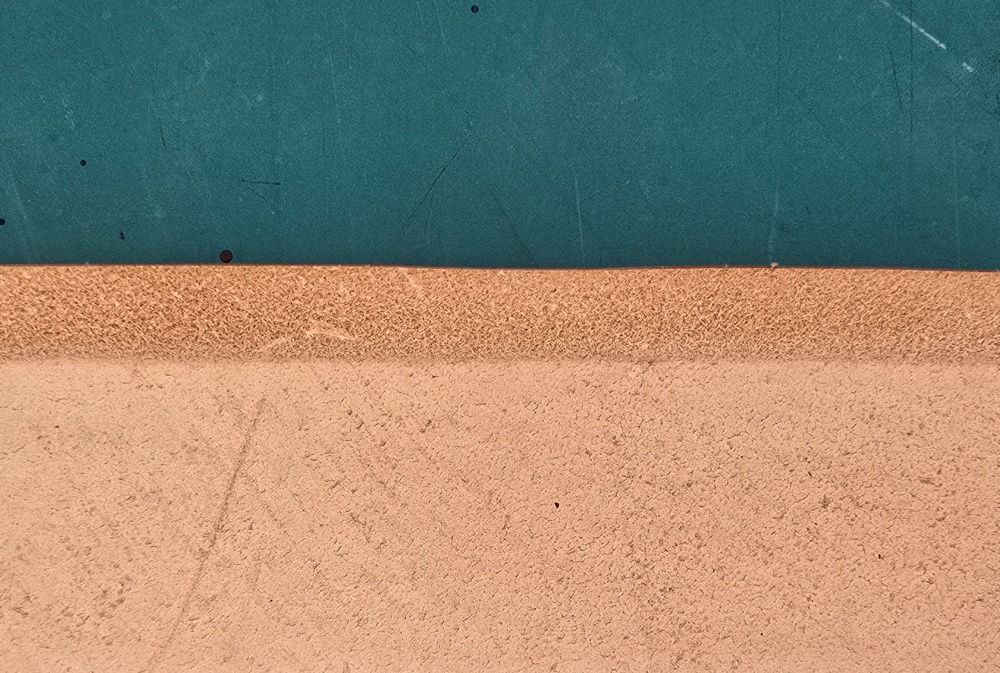
    Conversely, leather that feels soft on the surface may still retain its shape relatively well after skiving if its internal fibers are dense. Do not evaluate only the feel of the grain side. Examine the fiber condition on the flesh side and the cut edge as well.

    Check whether the fibers on the flesh side are evenly arranged and whether dust or long fibers rise easily when rubbed by hand. At the cut edge, observe whether the layers separate loosely or maintain a consistent density.

    Choose the Right Firmness for Each Part of the Bag

    A bag does not have to be made entirely from leather of the same firmness. The body panels, bottom, gussets, opening, handles, and interior pockets each require different levels of movement and support.

    Broad body panels require leather that does not sag easily under its own weight. Gussets joined along curved edges must align accurately with the body panels while remaining flexible enough to move naturally during assembly.

    The bottom of a bag requires enough stability to support the weight of its contents, but thick reinforcement should not be added automatically when the leather lacks firmness. If the properties of the outer leather and reinforcement do not match, the bottom may become excessively rigid or the connections to the body panels may bend unnaturally.

    Handles and attachment areas must withstand repeated loads, so they require both a low-stretch orientation and a stable internal structure. Interior pockets may use softer leather than the body panels so that they do not interfere when items are inserted or removed.

    Recheck the Leather’s Properties After Skiving

    Leather that was firm at its original thickness may bend and stretch very differently after skiving. Thinning folded sections or areas where several layers overlap can make the leather behave differently from when it was first selected.

    Skive part of the test piece to the thickness that will be used in the actual project, then repeat the bending, pulling, and pressing tests. Comparing the leather before and after skiving helps determine how much thickness can be removed safely.

    If the leather becomes so thin that its recovery decreases or it stretches easily in one direction, reduce the skiving area or reconsider the reinforcement method. The final decision should be based on the thickness that will actually be used in the project, not the leather’s original thickness.

    Record the Test Results for Future Projects

    Recording only the leather name and thickness makes it difficult to reproduce the same result later. Even the same type of leather can behave differently depending on the production batch, area of the hide, and surface finish.

    Mark each test piece with the leather name, thickness, area of the hide, and grain direction. Record brief observations about bending, stretch, and recovery. After using the leather in a finished item, also note changes that appear during use, such as sagging body panels or a distorted opening.

    For guidance on checking working conditions with leather scraps before starting the final piece, see [Why Leathercraft Test Scraps Matter: Checking Cutting, Bonding, and Hand-Stitching Conditions]for more details.

    Judge Leather Firmness According to Its Intended Use

    Leather firmness is not determined by its initial feel or thickness alone. Bend, pull, and press samples under the same conditions to evaluate bending resistance, stretch in different directions, and recovery.

    Firm leather may retain its shape effectively but can make assembly more difficult in sections that require movement. Soft leather can create natural curves, but broad body panels and bottoms may require additional structural planning.

    The goal is not to choose the firmest leather, but to select properties suited to the bag’s form, intended use, and specific component. Recording these evaluation standards makes it easier to predict the finished shape and workability when using unfamiliar leather.
  • Leather Grain Direction: The Invisible Rule That Determines Bag Strength

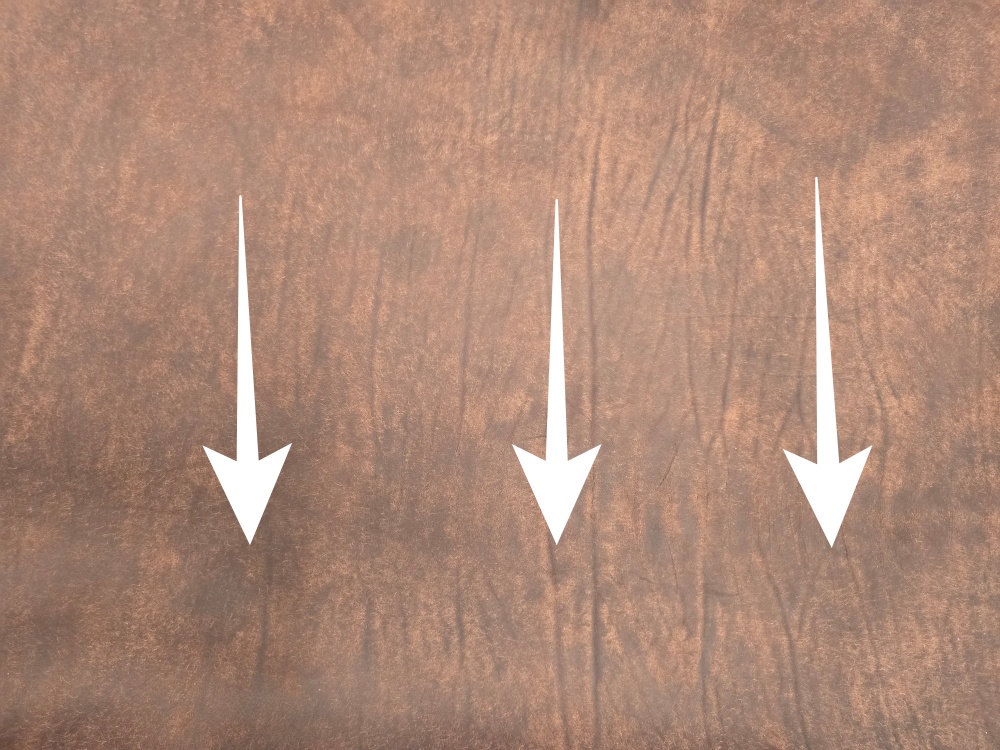
    Many people assume that, unlike fabric, leather can be cut in any direction. However, this is actually not the case. Leather is never a perfectly uniform material, and there is a distinct directionality in the arrangement of its fibers depending on the part of the hide and how the animal's skin grew.

    Reading this subtle flow of fibers, known as the 'grain direction,' is the crucial first step in crafting a sturdy bag.

    Depending on the direction it is pulled, leather exhibits completely different levels of tension and stretch. The 'vertical direction' running along the spine has a dense structure, making it the toughest and least prone to stretching. On the other hand, the 'horizontal direction' toward the belly or the diagonal 'bias direction' is relatively flexible and stretches

    If you ignore these characteristics and cut the leather, the bag might look fine at first, but it will inevitably lose its structural shape during use.

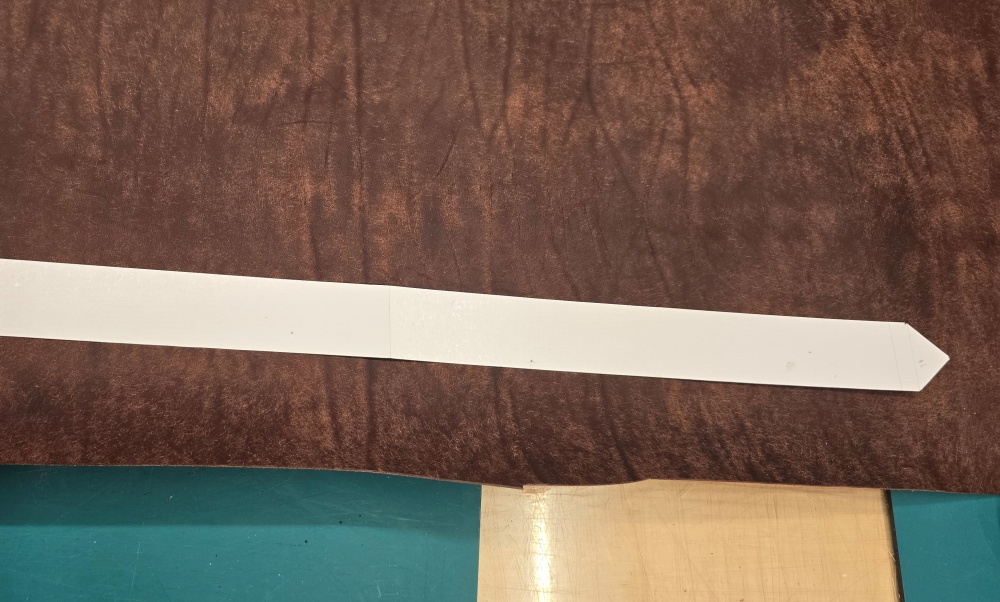
    The most intuitive examples are the bag's handles and straps. What happens if you cut a handle, which must constantly bear a heavy load, in a direction where the leather easily stretches? Over time, the leather will stretch out, thin out, and even twist unpleasantly. Parts that need to withstand weight must always be cut along the vertical grain direction, where stretching is minimal, to maintain a solid shape and stability for a long time.

    It’s not just the handles. The bottom, which supports the bag's frame, and the side panels, which need volume, require entirely different physical properties. The bottom, holding the heavy contents, should be cut in the firm grain direction to prevent sagging, while the side panels or pockets, which need flexible curves, should utilize the more stretchable direction. Assigning different grain directions according to the role of each part—this is what we call invisible structural design.

    All these processes must be perfectly determined at the pattern-making stage, long before a knife touches the leather. A piece of graph paper with merely an outline drawn on it is not a complete pattern. Even if you use the finest Italian or French leather, it cannot fully showcase its value if cut while ignoring the grain. A truly calculated blueprint, like precision manual patterns, must include not only the simple shape but also arrows indicating the specific grain direction in which that part should be cut.

    A good bag is not completed simply by using good leather. The true quality of a masterpiece begins with an invisible design—deeply understanding the fiber direction of the leather and finding the correct grain direction that fits the structure before cutting.

    [Read Related Articles]

  • Pattern Engineering: Why Great Bags Are Already Finished on Paper

    For those who view leather crafting merely as a hobby, a pattern is often considered nothing more than a temporary drawing on paper used to cut leather. They tend to believe that by simply copying a pre-made commercial pattern, scratching the lines onto the hide with an awl, cutting it out, and stitching it together, a bag will effortlessly manifest.

    However, in the elite realm of high-end bag construction, a pattern is far more than a basic drawing. It is a highly sophisticated architectural blueprint that calculates and quantifies the exact thickness of the leather, the structural density of internal reinforcements, the physical tolerance during assembly, and the mechanical forces of gravity acting upon the finished form. In essence, a great bag is already finished on paper; its fate and structural integrity are determined long before a knife ever touches the leather


    1. More Than Just a Drawing

    Pattern engineering is deeply rooted in architecture rather than art. It is a precise mathematical discipline where flat sheets of heavy paper are systematically drafted and combined to ensure that when the exterior shell and internal reinforcements are physically joined, they sustain a flawless three-dimensional volumetric structure.

    Leather is a "living, organic medium"—its fiber orientation, shrinkage rates across different sections, and structural plasticity when introduced to moisture vary constantly. A pattern drafted solely by visual dimensions, without calculating these volatile physical parameters, will never achieve the caliber of a true masterpiece, regardless of how premium the leather is or how precise the saddle stitching appears on the surface.


    2. Structural Integrity

    When a bag prematurely sags or deforms over time, most crafters quickly blame the choice of internal reinforcements or uneven thread tension. However, the fundamental root of structural failure almost always traces back to the drafting phase—specifically, the failure to calculate material displacement during three-dimensional assembly.

    When the exterior leather, internal lining, and rigid reinforcements are layered and bent along a curve, the inner layers must structurally be shorter than the outermost layer. If this microscopic dimensional balance is not tightly controlled on paper down to fractions of a millimeter, the leather will buckle or warp the second the panels are bonded. The crisp lines, proportion, and self-standing majesty of a bag must be absolute on the pattern before assembly begins.

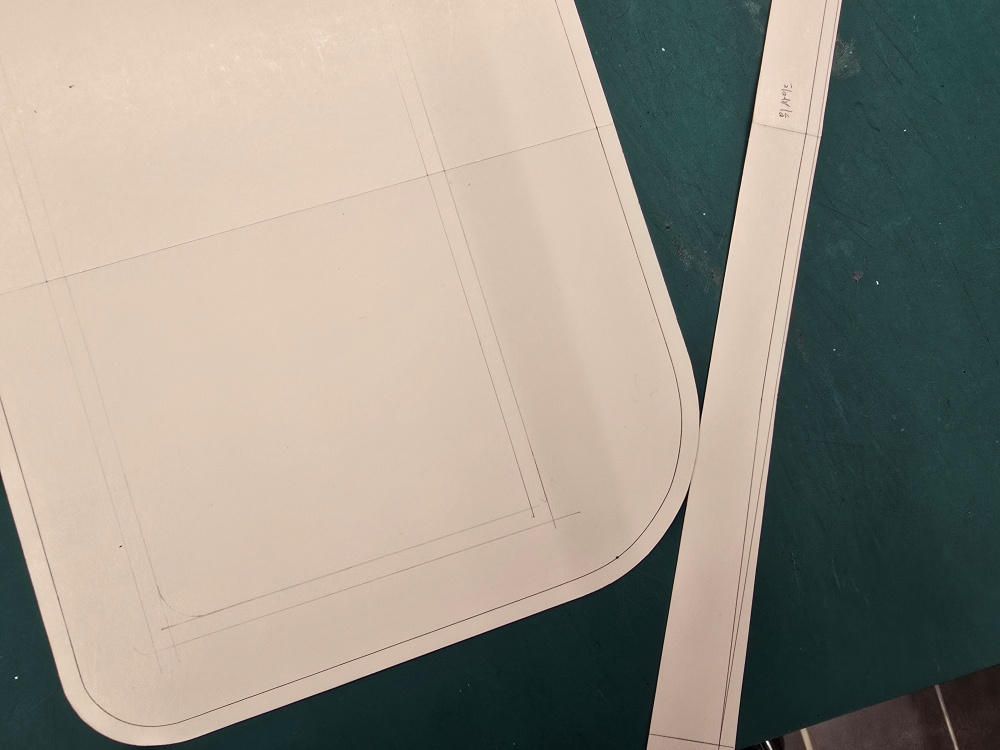
    모눈종이를 쓰지 않고 직접 직선과 십자 패턴 축을 세우며 정밀하게 가방 도안을 설계하는 장인의 작업대 전경

    3. The Dynamics of Tolerances (Seam Allowance)

    The most catastrophic structural dimensional errors occur within the calculation of seam allowances. As the physical thickness of the leather substrate increases, the geometric gap between the expanding outer circumference and the compressing inner radius widens drastically whenever panels intersect.

    When drafting a pattern by hand, a master artisan carefully calculates the specific thickness of the exterior leather, the density of the lining, and even the microscopic volume of the adhesive layers to assign unique skiving margins and seam allowances to each separate panel. If these intricate calculations are slightly off, the entire layout drifts, causing stitching lines to warp diagonally or rendering structural assembly physically impossible.

    가죽 두께와 보강재 결합 오차를 계산하여 종이 패턴 위에 소수점 단위로 여유분(시접)을 표시한 설계도 상세 사진

    4. The Mathematical Geometry of Curves

    The sweeping, elegant corner arches that define a luxury silhouette or the radical contours of an inverted gusset cannot be accurately generated with basic flat rulers.

    Even if a curved line and a straight line measure exactly the same length on a flat surface, when they are manipulated into a three-dimensional plane, the leather fibers along the curve compress or stretch, altering the true mating length. Rejecting standard grid papers, YEGAK utilizes manual axial and cross-pattern drafting techniques to thoroughly simulate the physical resistance at the precise intersections of radii (R-values) directly on the paper, achieving an absolute mechanical match.

    가방 옆판의 입체 곡선과 본체의 직선이 만나는 지점의 물리적 저항을 종이 패턴을 맞대어 정밀하게 검수하는 과정

    5. Weight Distribution Mechanics (Center of Gravity)

    A flawlessly engineered bag maintains its clean geometric profile even when loaded to capacity, ensuring that the mass does not awkwardly lean or shift when held by the handles. This represents the pinnacle of pattern engineering: Center of Gravity Architecture.

    The exact mounting angle of the handles, the surface area of the attachment lugs, and the precise boundaries of the bottom base reinforcements must be calculated to strategically distribute stress. A pattern with flawed center-of-gravity engineering will tilt forward or backward when lifted, concentrating intense tensile stress onto a single joint, causing the structural thread lines to rupture and the leather to permanently deform.

    가방 손잡이 장착 부위의 하중 분산 메커니즘과 무게 중심축을 종이 위에 정밀한 선으로 구획한 패턴 설계 레이아웃

    6. The Inevitability of Poor Design

    Even if a crafter possesses decades of hands-on experience at the workbench, a flawed pattern forces them to forcefully stretch, pull, or cram the leather during assembly to make the edges meet. A bag built under artificial structural stress may look passable on day one, but over time, the inherent elastic memory of the leather will violently pull back toward its true state, causing the entire bag to buckle and sag inward.

    To build a true long-term asset that confidently endures for over twenty years, an artisan must never rely on temporary sensory adjustments to coerce the leather. Instead, the material must be guided to rest completely naturally within the absolute, mathematically verified dimensions of an engineered pattern.


    7. The Uncompromising YEGAK Discipline

    YEGAK strongly rejects over-reliance on digital CAD printouts or highly standardized commercial grid papers. Cold, automated lines can never truly capture or account for the organic elasticity, grain resistance, and nuances of a living hide.

    Erecting the primary axes and strict perpendicular guidelines directly by hand, projecting the volumetric density of leather and reinforcements onto the raw paper—this is the very essence of the "slow but solid" pattern engineering philosophy that YEGAK safeguards. Controlling a 0.1mm gap on a sheet of draft paper is the absolute boundary that segregates fine art from commercial mass production.


    Next Level: The YEGAK Knowledge Graph

    • [Previous Step] Thread Tension and Material Resistance: The Structural Equation of the Traditional Saddle Stitch
    • [Next Up] Thread Character and the Function of Aging: Natural Linen Thread vs. Polyester Thread

  • The Ultimate Guide to Vegetable-Tanned Leather

    Structural Logic and Material Mechanics for High-End Leather Crafters

    예각 가죽 스튜디오의 작업대 위에 놓인 프리미엄 풀그레인 베지터블 태닝 가죽 원장

    If leathercrafting is defined merely as the act of cutting, punching, and stitching leather according to a pre-existing pattern, then a deep technical understanding of the material might be an unnecessary luxury. However, if your goal is to engineer a timeless masterpiece that preserves its structural stability for decades, the beginning of every design equation must unquestionably be Vegetable-Tanned Leather.

    This guide deconstructs the true mechanics and physical proportions hidden beneath artificial coatings, demonstrating the structural essence of why high-end artisans reject the convenience of mass production to demand this challenging material.


    1. Chemical Processing vs. Botanical Properties (Chrome vs. Vegetable)

    To master a material, one must first understand the essence of its creation. Today, over 90% of the leather circulated in the global market is Chrome-Tanned Leather. This method utilizes chemical agents such as chromium sulfate and heavy mineral salts to complete the tanning process en masse in a matter of hours. While chrome leather is highly advantageous for mass production—being lightweight, supple, and resistant to stains—it chemically alters the protein fiber structure within the hide completely. This alteration eradicates the leather’s inherent "structural memory," rendering it impossible for an artisan to mechanically control, shape, or set the form using traditional hand-tooling techniques.

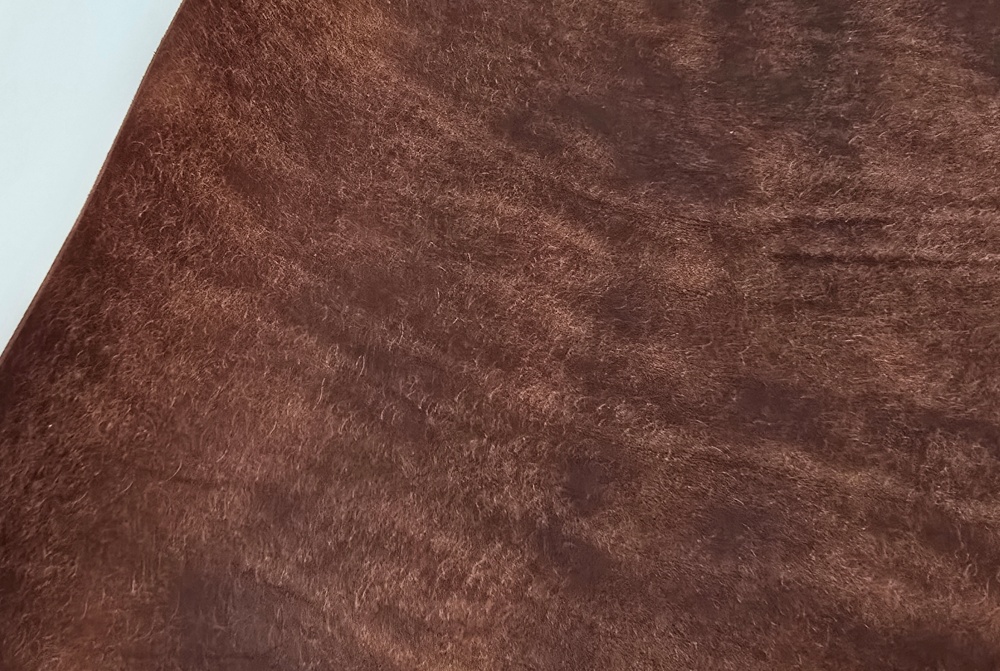
    천연 베지터블 태닝 가죽 표면에 그대로 드러난 자연스러운 상처와 성장 주름

    Conversely, Vegetable-Tanned Leather relies exclusively on plant-derived, natural tannins extracted from tree bark, chestnut fruits, quebracho wood, and mimosa leaves. Hides are submerged in traditional wooden vats, aging slowly over weeks or up to six months as the tannin concentration is gradually increased. This slow, deliberate process preserves the natural collagen fiber networks of the hide, binding them into an even tighter, more rigid matrix.

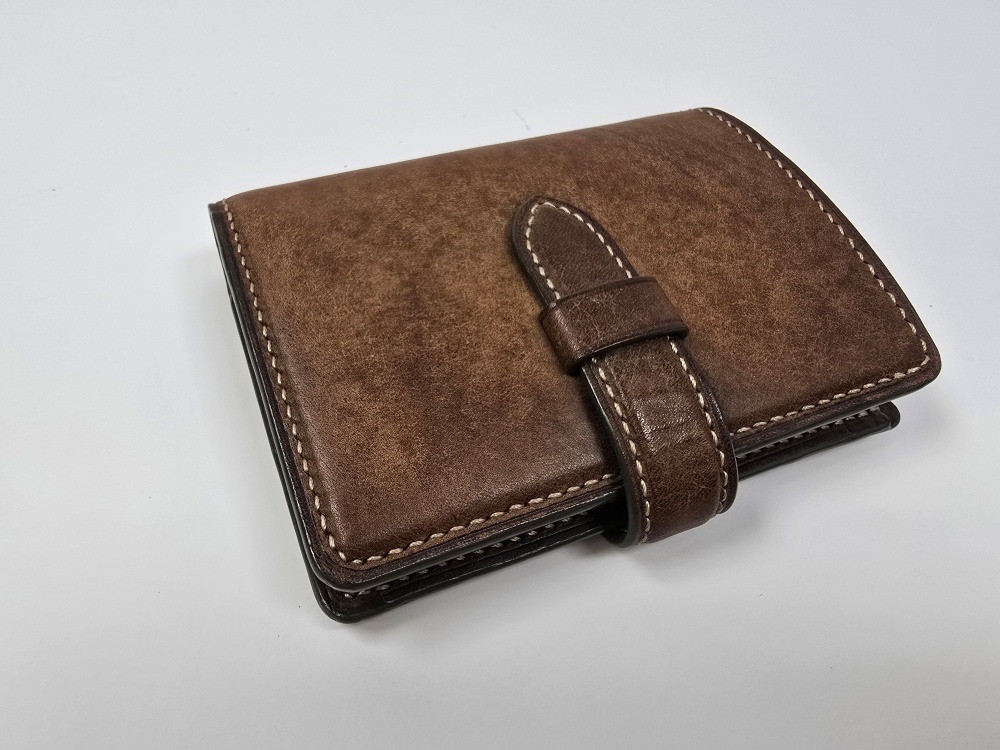
    As a result, because vegetable-tanned leather lacks a synthetic plastic or polyurethane coating, the animal's natural stretch marks, wrinkles, veins, and healed scars remain fully visible on the surface. Far from being flaws or defects, these natural marks serve as the most noble certificate of authenticity, proving the material is no synthetic imitation, but a unique canvas gifted by nature.


    2.The Structural Logic of High-End Design (Construction Logic)

    An artisan’s decision to select vegetable-tanned leather on the workbench is never born from mere vintage sentimentality or the abstract notion of craftsmanship. It is a precise engineering calculation that balances mechanical properties with long-term structural durability.

    ① Dense Fiber Structure and Plasticity

    Premium vegetable-tanned leather possesses an overwhelmingly higher internal fiber density compared to chemically processed alternatives. When cased with water, the rigid collagen fiber networks temporarily soften, preparing the material to accept pressure and molding. As the moisture evaporates, the leather exhibits true plasticity, permanently memorizing and setting the curves, sculptural volumes, and three-dimensional architectures intended by the artisan. This precise mechanical property is the sole engine that allows a doctor's bag to retain its crisp, rigid frame, or prevents a Boston bag's generous volume from collapsing over time.

    마스터 장인의 정밀한 수동 피할과 전통 방식의 단면 슬리킹(마감) 과정

    ② Precision Skiving and Edge Finishing Properties

    Leathers with loose, erratic fiber structures stretch and warp when meeting a skiving knife, rendering microscopic thickness control impossible. In contrast, the tightly knit architecture of vegetable-tanned leather permits manual bevel skiving accurate to 0.1mm increments, perfectly eliminating the bulk at overlapping seam allowances.

    Furthermore, during the edge-sleeking process, these dense fibers compress under frictional heat, fusing into a glass-like, rigid burnish without requiring a single drop of chemical paint. Finished solely with Tokonole or natural resins, this edge will never harden, crack, or peel away with age—representing an uncompromised realm of craftsmanship that synthetic edge paints can never replicate.


    3. Aging (Patina): The Design Philosophy Completed by Time

    Chrome-tanned leather is at its peak aesthetic on day one out of the factory; as time flows, its synthetic coating scratches, peels, and degrades into a weary obsolescence. Vegetable-tanned leather, however, initiates its true design and narrative the moment it leaves the artisan’s bench to meet the user's hands.

    시간이 흐르면서 핸드메이드 베지터블 가죽 제품에 완성된 아름다운 호박색 광택(파티나)과 경년변화

    Through contact with the user's natural oils, daily exposure to sunlight, and friction, the rich waxes deeply infused within the core rise gracefully to the surface, developing a deep, translucent patina. As decades pass, the architecture softens organically to adapt to the owner's habits, yet the structural bones of the bag settle into an even firmer stance. The "20-Year Living Asset" envisioned by YEGAK is defined exactly by this endurance—a durability that converts the passage of time into an appreciation of value.


    4. The Artisan's Criterion: Engineering the Balance of Thickness and Interlinings

    No matter how extraordinary a full-grain vegetable leather from an elite European tannery may be, faulty panel allocation or flawed thickness design will cause a bag to either collapse or become as heavy as a stone. The master artisan must continuously calculate the equation between the leather's tensile resistance and the total weight distribution.

    • Small Goods (Card Wallets, Clutches, Passport Cases): Internal stiffeners are minimized or completely omitted to maximize the inherent resilience of the leather itself. Exterior panels are skived precisely between 1.2mm and 1.5mm, while internal linings and card slots demand a highly disciplined ratio of 0.6mm to 0.8mm to preserve a slim, functional profile.
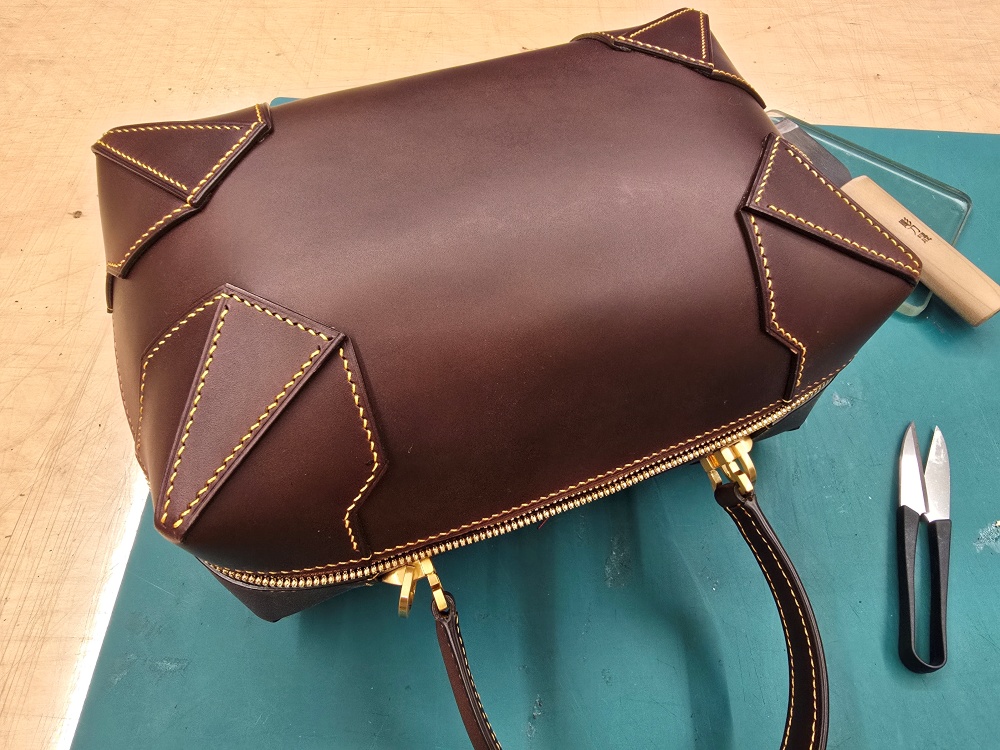
    • Structural Bags (Boston Bags, Totes, Briefcases): The base panel that anchors the entire load and the spine backings that command the structural center must utilize a weighty, unyielding foundation of 1.8mm or higher. Conversely, side gussets requiring turn-out construction or complex arched contours should be skived to approximately 1.0mm, then mechanically coupled with high-resilience French leatherboard (LB) or natural latex interlinings to prevent sag and maintain golden proportions over time.
    건축학적 실루엣과 황금 비율을 완벽하게 유지하는 견고한 핸드메이드 가죽 사각 박스백

    Connecting to the Next Discipline (YEGAK Knowledge Graph)

    Having understood the material's essence and mechanical qualities, it is time to progress toward the artisan's tools and the precise techniques that tame these dense fiber networks. Our interconnected curriculum continues below:

    • [Tool Encyclopedia] The French Pricking Iron: Proper Grip and Power Mechanics for Piercing Dense Fibers
    • [Construction Technique] The Equation of Thread Tension and Material Resistance: The Traditional Saddle Stitch Slanted Formula
    • [Design Theory] The Golden Proportion of Luxury Bags: Structural Stability and Warp-Free Pattern Balance

  • 전문가의 솔직한 고백 : 내가 베지터블을 조심스러워하고 프랑스 크리스페 고트스킨을 애정하는 이유

    전문가의 솔직한 고백 : 내가 베지터블을 조심스러워하고 프랑스 크리스페 고트스킨을 애정하는 이유

    안녕하세요 레더스튜디오 예각 공방장입니다

    가죽공예를 다루는 수많은 글이나 유튜브를 보면 ‘베지터블 가죽의 낭만’에 대해 침이 마르도록 칭찬하곤 합니다 주인의 손때와 햇살을 머금고 시간이 흐를수록 내추럴하게 에이징(Aging)되는 멋은 베지터블 가죽만이 가진 최고의 매력이라고 말이지요

    하지만 20년 동안 가죽작업대 앞에서 매일 가죽을 칼질하고 바느질해온 전문가의 시선으로 오늘은 조금 솔직한 이야기를 해보려합니다

    결론부터 말씀드리면, 저는 베지터블 가죽을 다룰때 굉장히 조심스럽고, 그리 선호하는 편이 아닙니다. 오히려 제가 개인적으로 가장 애정하고, 작업대위에서 다룰 때마다 감탄하는 가죽은 따로 있답니다. 바로 프랑스산 최고급 염소가죽인 ‘크리스페 고트스킨(Crispe Goatskin)’입니다.

    오늘은 교과서 같은 가죽 종류 나열이 아닌, 현장에서 손끝으로 느끼는 두 가죽의 진짜 성질과 제가 크리스페를 고집하는 이유에 대해 이야기해 보겠습니다

    1. 낭만 이면에 감춰진 불편함, 베지터블 가죽

    베지터블 가죽이 시간이 지나며 멋스러워진다는 것에는 저도 전적으로 동의합니다. 하지만 작업자 입장에서, 그리고 실제 제품을 사용하는 소비자 입장에서는 참 까다로우면서도 ‘깔끔하지 못한’ 가죽이지요

    식물성 탄닌성분으로 무두질된 베지터블 가죽은 표면에 별도의 화학적 보호 코팅막이 거의 없답니다. 그렇다보니 작업대 위에서 가죽을 재단하거나 패턴을 맞출 때 고작 손톱 끝만 살짝 스쳐도 깊은 스크래치가 남습니다. 게다가 물이나 열에 치명적으로 약해서, 비를 맞거나 땀이 묻으면 그 자리에 지워지지 않는 얼룩이 그대로 박혀버린답니다

    세월의 흔적이 묻어나는 ‘내추럴함’은 좋지만, 다르게 생각하면 가죽이 쉽게 오염되고 얼룩덜룩해져서 본연의 깔끔하고 정돈된 고급스러움을 오래 유지하기가 무척 어렵다고 생각이 듭니다. 만드는 작업자에게도, 사용하는 소비자에게도 늘 신경을 곤두세우게 만드는 조심스러운 가죽인 셈이지요

    2. 알란(Sully)은 모르는 크리스페 고트스킨만의 ‘탄력과 유분’

    반면, 명품 하우스들이 애용하는 고트스킨(염소가죽)은 제가 가장 사랑하는 소재입니다. 고트스킨 중에서도 가장 유명한 두 축이 프랑스 알란(Alran)테러리의 ‘설리(Sully)’와 프리미엄’크리스체(Crispe)’고트스킨인데요, 이 둘 사이에도 전문가의 손끝에서는 명확한 급의 차이가 느껴진답니다

    둘 다 좋은 프랑스산 염소가죽이라고 생각하지만 직접 칼을 대어보면 알란고트는 상대적으로 유분이 적어 텍스처가 다소 퍽퍽하고 건조한 느낌이 든답니다

    반면 크리스페 고트스킨은 가죽내부에 머금고 있는 유수분의 밸런스가 더 좋아서 손으로 쥐었을때 느껴지는 밀도감과 촉촉하고 탱글탱글한 탄력이 아주 맘에 듭니다

    이 ‘탄력과 유분의 차이’는 작업대 위에서 엄청난 결과의 차이를 만듭니다. 가죽에 유분이 적당하고 탄력이 좋으면, 구두칼로 재단 라인을 뽑아낼 때 단면이 밀리지 않고 칼날이 물 흐르듯 미끄러지는 느낌이고, 아주 깔끔하게 떨어집니다. 가죽이 밀리지 않으니 마이크로 단위의 정밀한 설계도 오차없이 완벽하게 가죽위에 구현되는 듯합니다

    3. 스크래치를 방어하는 세련됨, 지갑의 품격이 바뀌는 이유

    제가 크리스페 고트스킨을 특히 지갑이나 정밀한 소품 종류를 만들때 강력하게 추천하는 이유는 두가지입니다. ‘압도적인 내구성’과 ‘세련된 미학’ 때문입니다

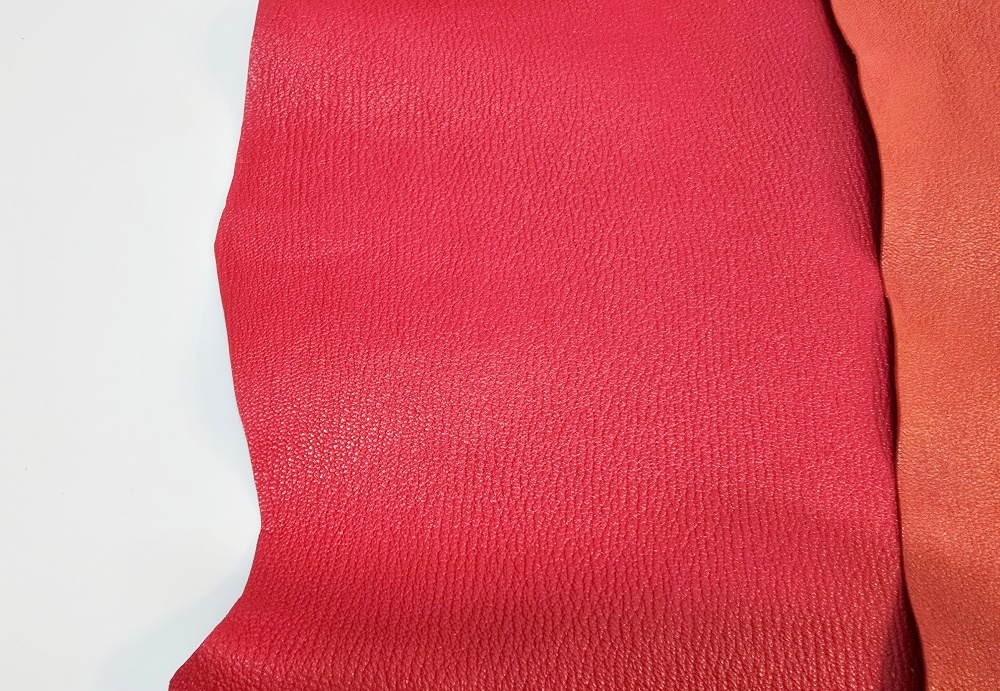
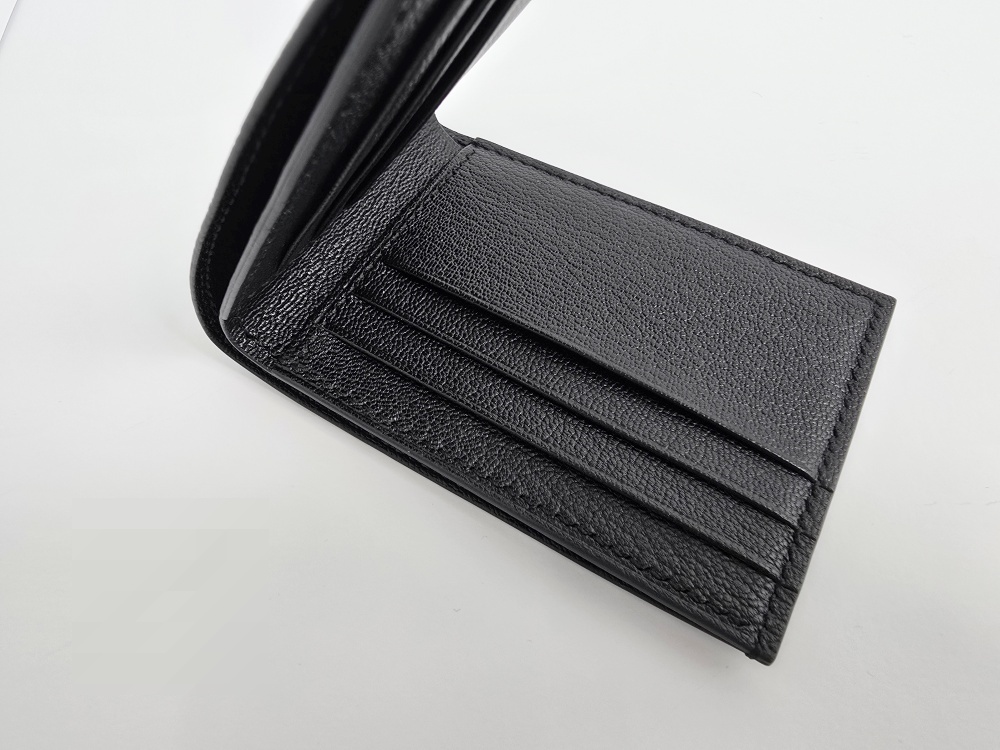
    크리스페 고트스킨의 표면을 자세히 들여다보면 염소가죽 특유의 자잘하고 아름다운 천연 모공 수시보(결)가 촘촘하게 잡혀있습니다. 이 정교한 결 덕분에 일상생활에서 발생하는 잔기스나 스크래치에 엄청나게 강하답니다. 물이 닿아도 슥 닦아내면 될 정도로 방어력이 뛰어납니다. 베지터블을 다룰 때처럼 애지중지 모시지 않아도, 언제나 처음의 깔끔한 상태를 굳건하게 유지해 준답니다.

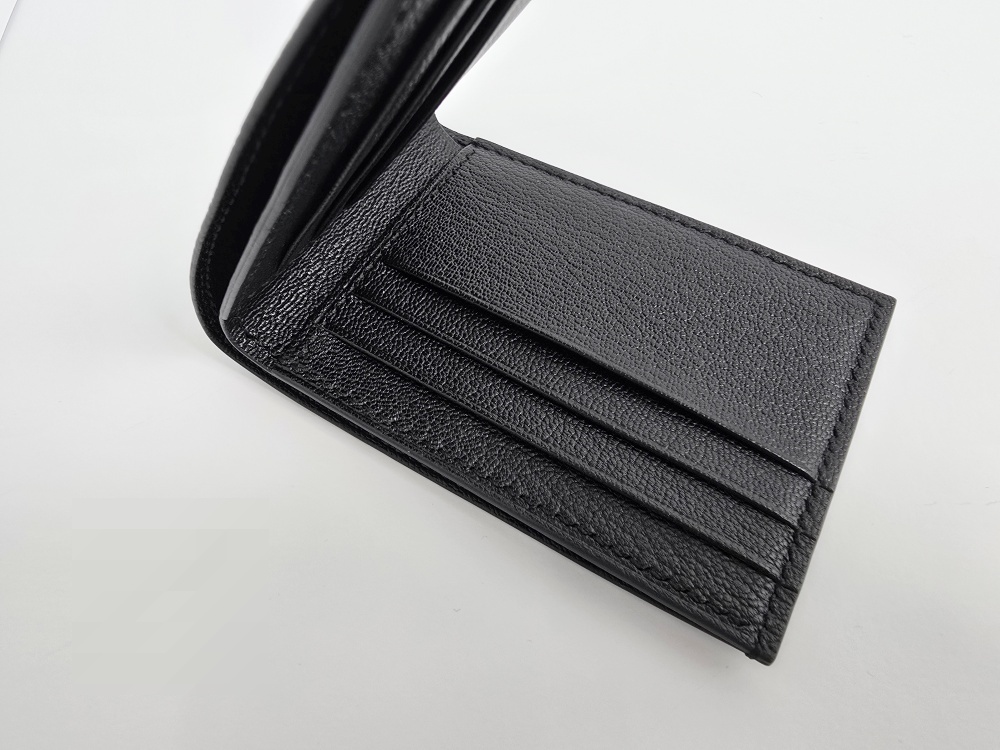
    무엇보다 이 가죽으로 반지갑이나 명함지갑을 완성해 놓으면, 특유의 은은한 광택과 단단한 조직감 덕분에 제품이 한 순간에 아주 모던하고 세련되게 피어납니다. 시간이 지나 얼룩덜룩해지는 베지터블과는 차원이 다른 도시적이고 정제된 품격이 지갑 한점에 그대로 담기게 됩니다

    느리지만 단단하게, 가죽의 성질을 부리는 시간

    가죽공예의 전문성은 단순히 바느질을 잘하는 것에 머물지 않습니다. 가죽의 성질을 정확히 이해하고 각 가죽이 가진 단점을 보완하며 장점을 그대화하는 도안을 설계할 수 있느냐가 진짜 실력입니다.

    저는 조심스럽고 깔끔함이 떨어지는 베지터블의 낭만보다는, 재단선이 칼날처럼 떨어지고 세월 속에서도 세련된 형태를 단단하게 유지해 주는 크리스페 고트스킨의 정직함을 더 신뢰합니다

    내가 고른 소재의 성질을 온전히 통제하고 지배하여 단 한사람을 위한 완벽한 품격을 짓는 일, 레더스튜디오 예각이 시간에 타협하지 않고 매일 작업대 위에 크리스페를 올리는 이유입니다