Many people assume that, unlike fabric, leather can be cut in any direction. However, this is actually not the case. Leather is never a perfectly uniform material, and there is a distinct directionality in the arrangement of its fibers depending on the part of the hide and how the animal's skin grew.
Reading this subtle flow of fibers, known as the 'grain direction,' is the crucial first step in crafting a sturdy bag.
Depending on the direction it is pulled, leather exhibits completely different levels of tension and stretch. The 'vertical direction' running along the spine has a dense structure, making it the toughest and least prone to stretching. On the other hand, the 'horizontal direction' toward the belly or the diagonal 'bias direction' is relatively flexible and stretches
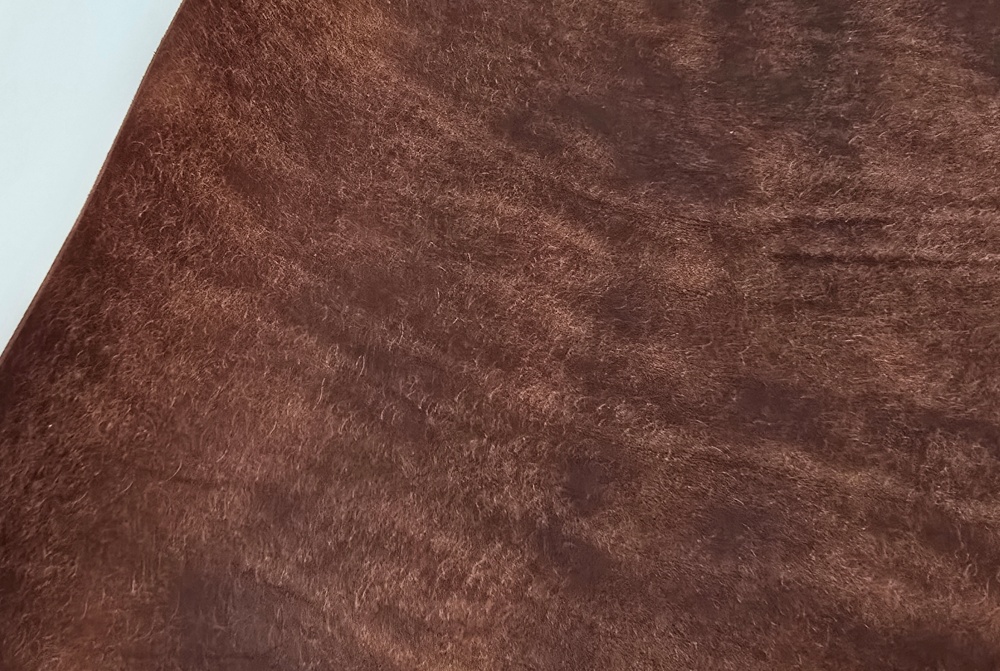
If you ignore these characteristics and cut the leather, the bag might look fine at first, but it will inevitably lose its structural shape during use.
The most intuitive examples are the bag's handles and straps. What happens if you cut a handle, which must constantly bear a heavy load, in a direction where the leather easily stretches? Over time, the leather will stretch out, thin out, and even twist unpleasantly. Parts that need to withstand weight must always be cut along the vertical grain direction, where stretching is minimal, to maintain a solid shape and stability for a long time.
It’s not just the handles. The bottom, which supports the bag's frame, and the side panels, which need volume, require entirely different physical properties. The bottom, holding the heavy contents, should be cut in the firm grain direction to prevent sagging, while the side panels or pockets, which need flexible curves, should utilize the more stretchable direction. Assigning different grain directions according to the role of each part—this is what we call invisible structural design.
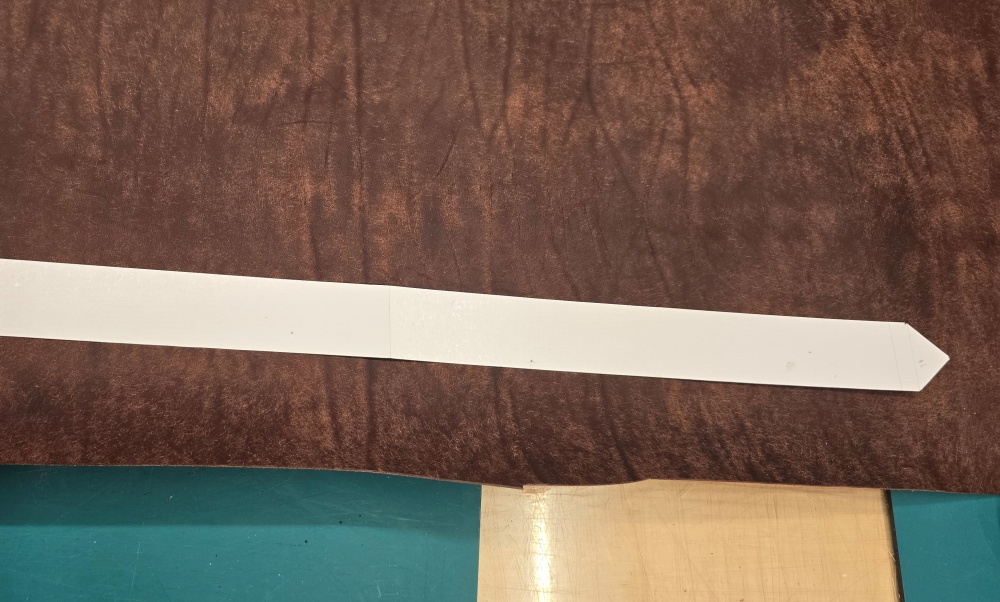

All these processes must be perfectly determined at the pattern-making stage, long before a knife touches the leather. A piece of graph paper with merely an outline drawn on it is not a complete pattern. Even if you use the finest Italian or French leather, it cannot fully showcase its value if cut while ignoring the grain. A truly calculated blueprint, like precision manual patterns, must include not only the simple shape but also arrows indicating the specific grain direction in which that part should be cut.
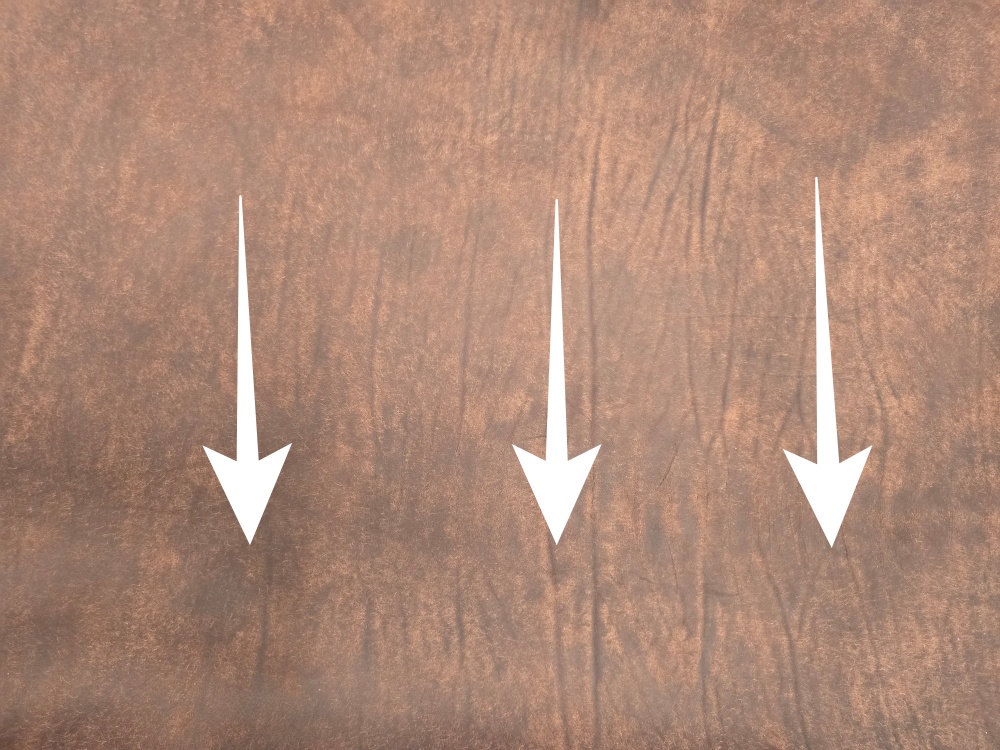
A good bag is not completed simply by using good leather. The true quality of a masterpiece begins with an invisible design—deeply understanding the fiber direction of the leather and finding the correct grain direction that fits the structure before cutting.
[Read Related Articles]
Leave a Reply