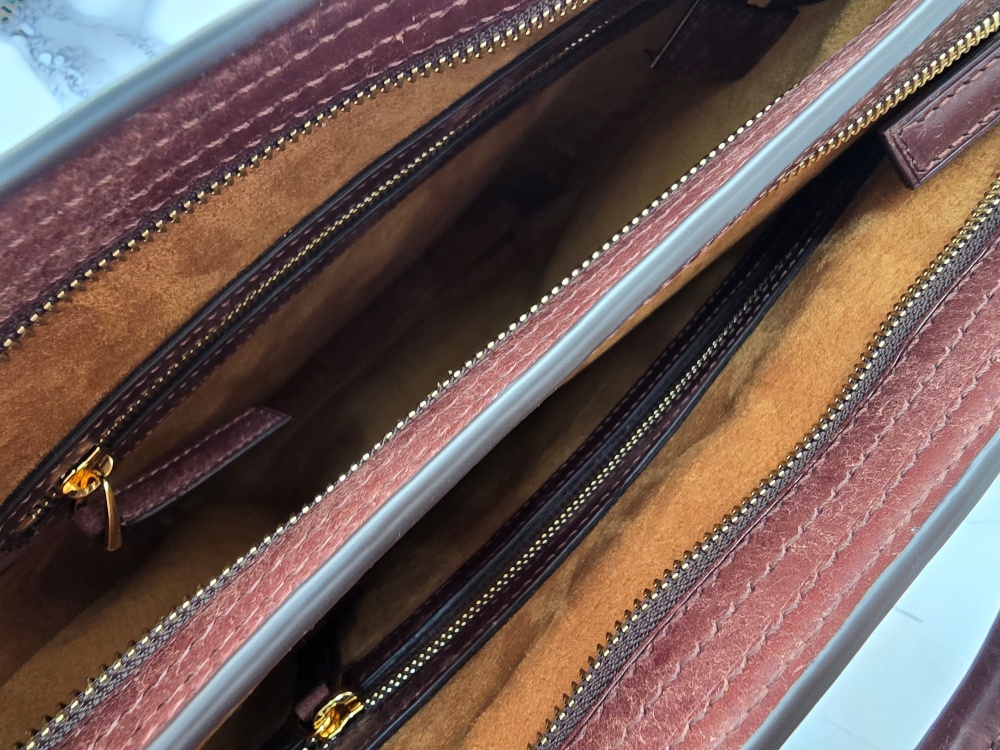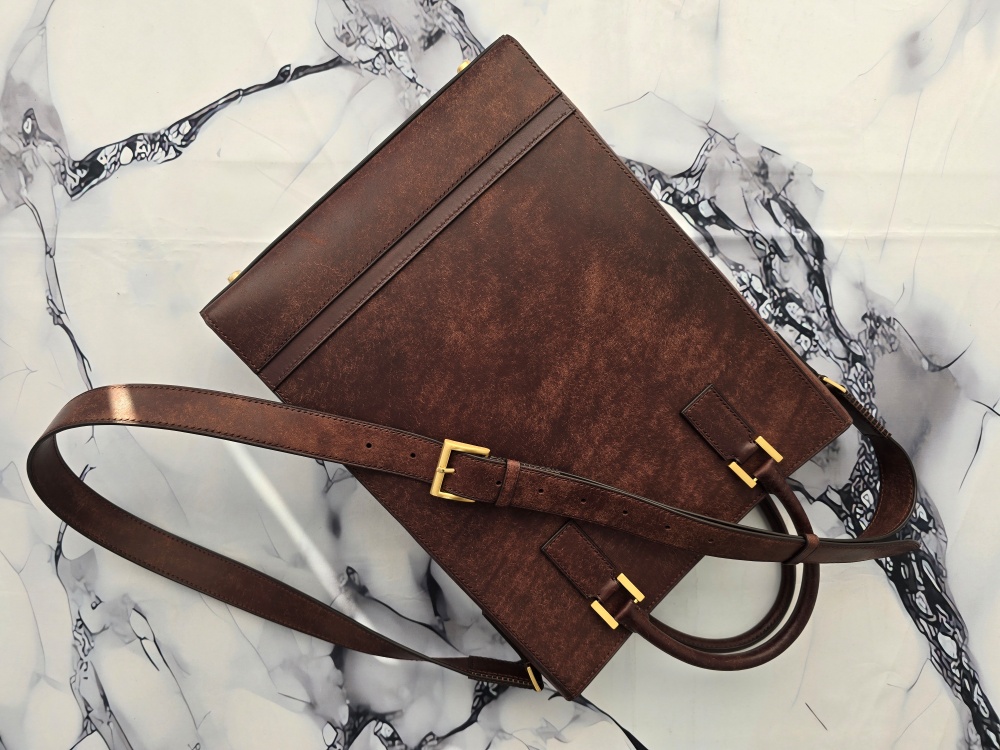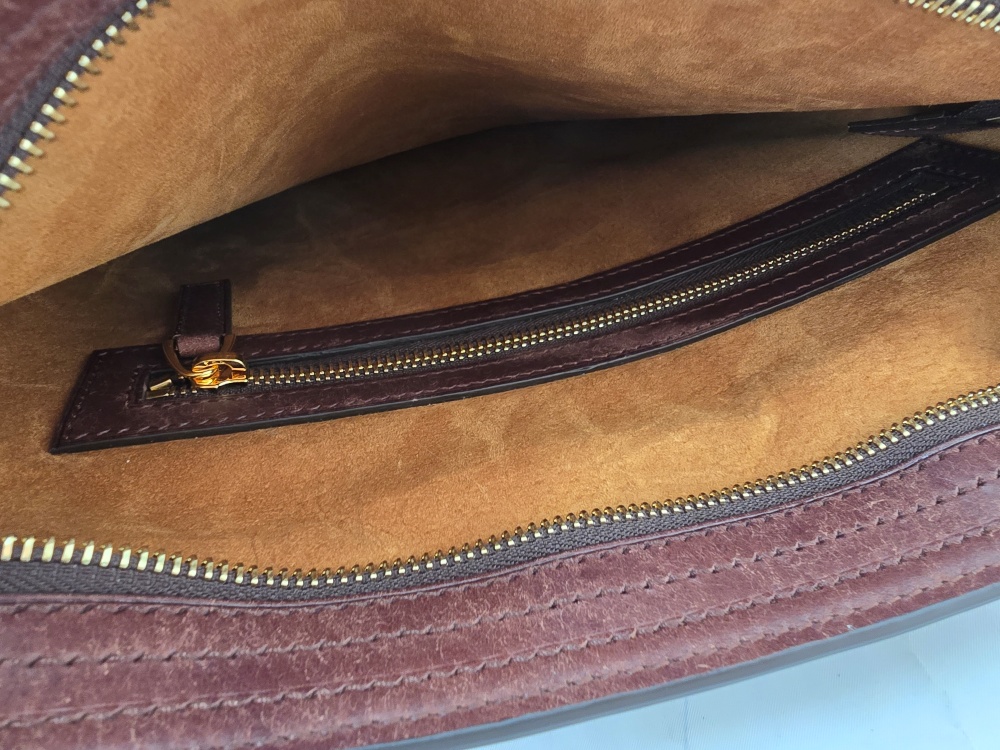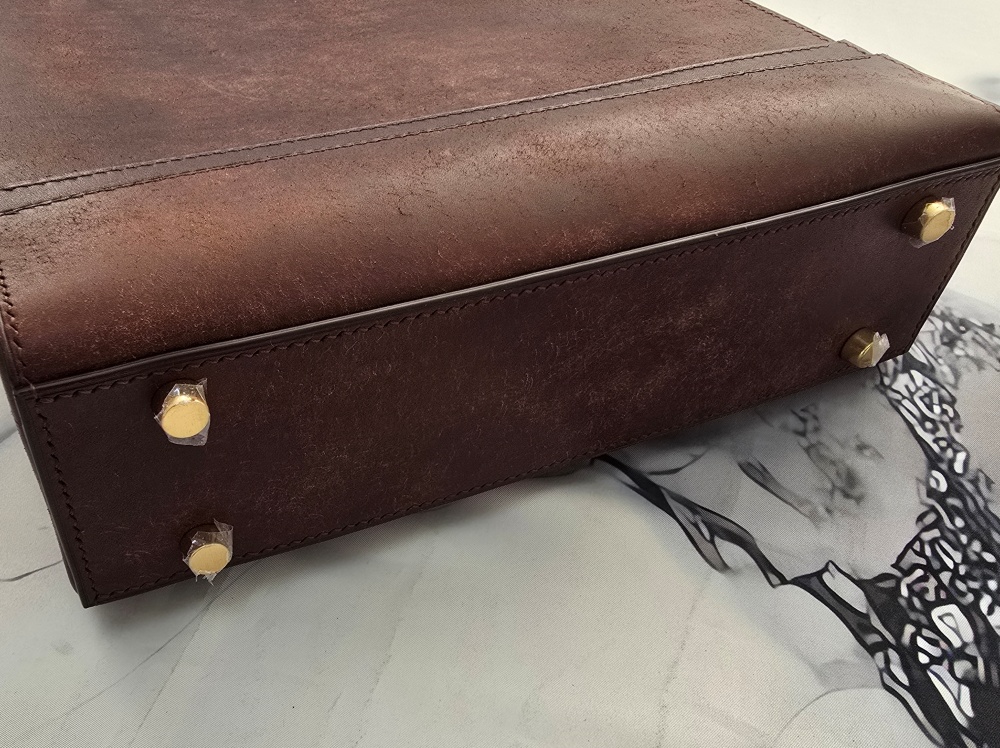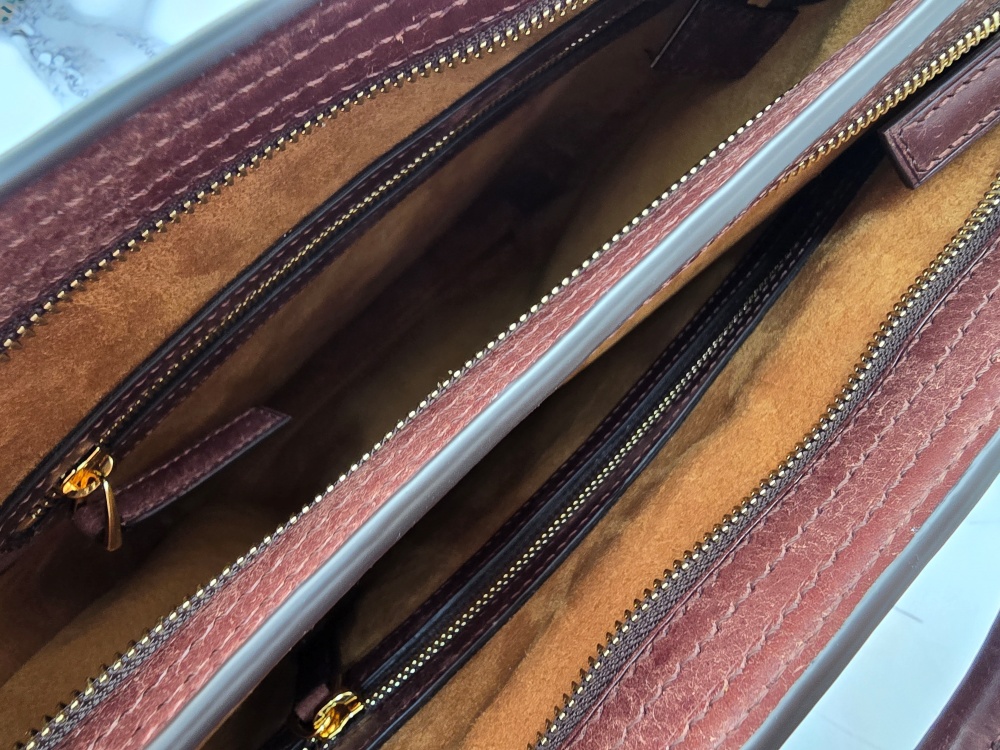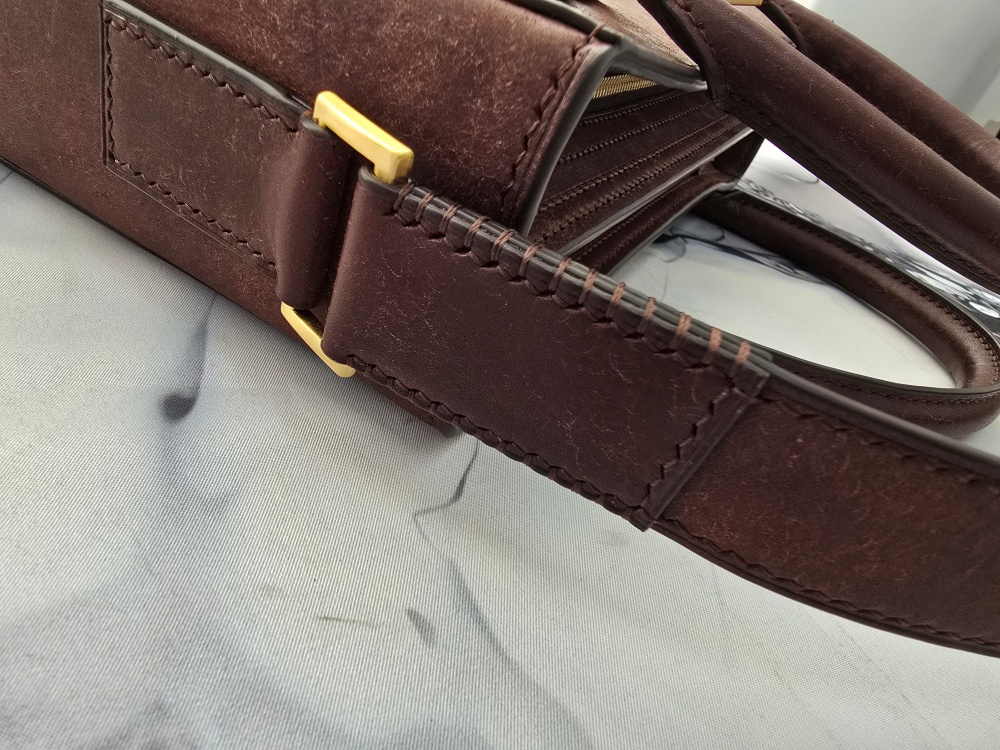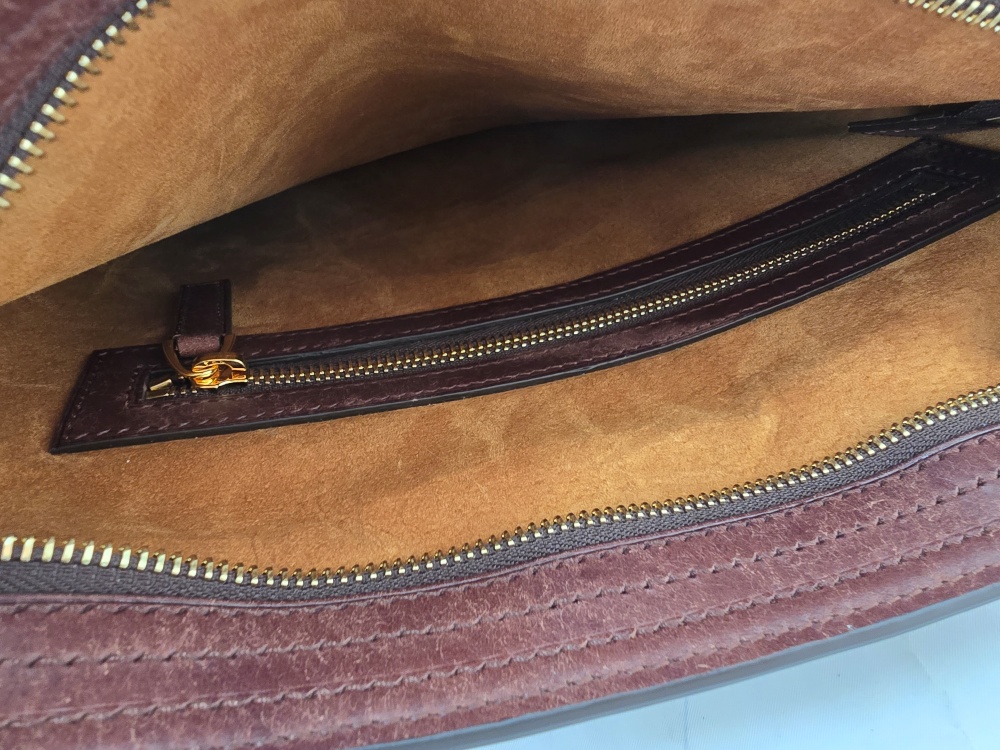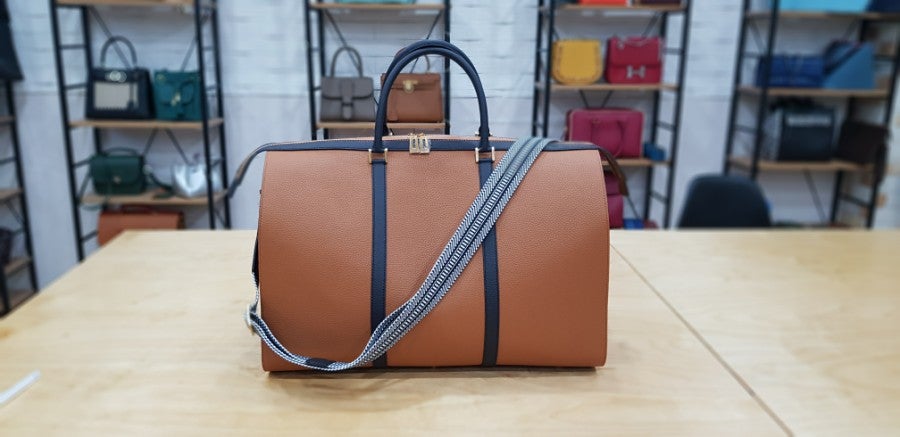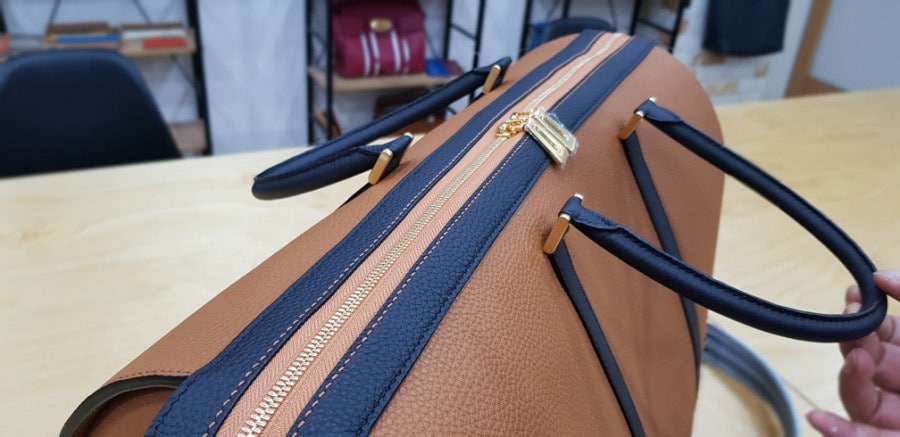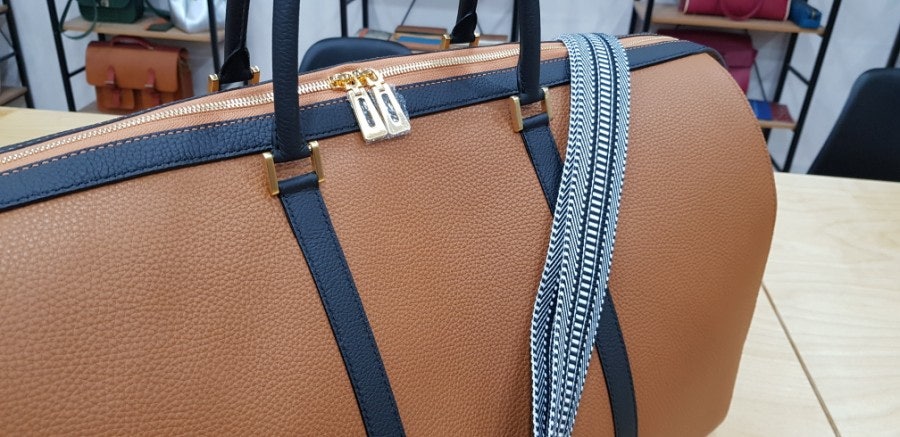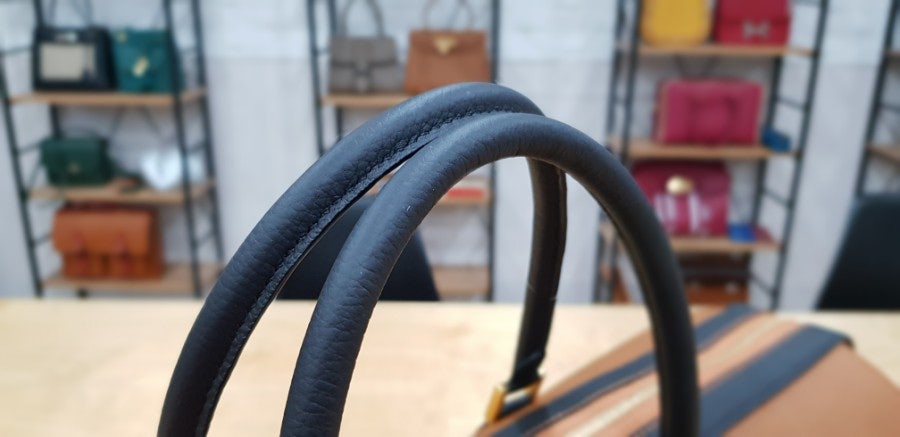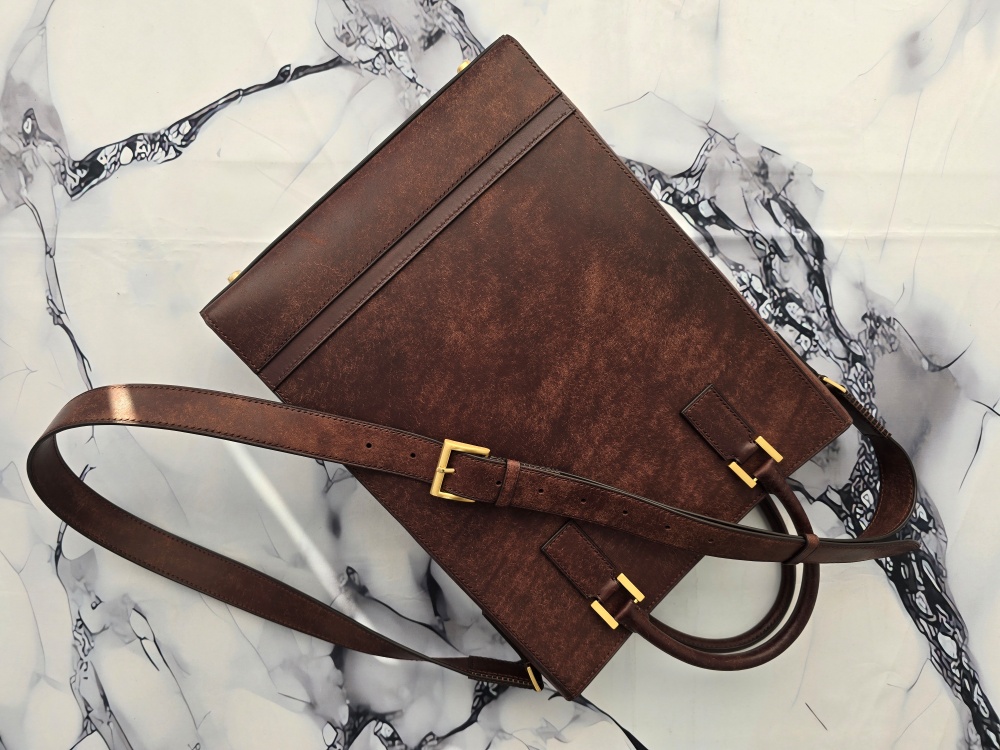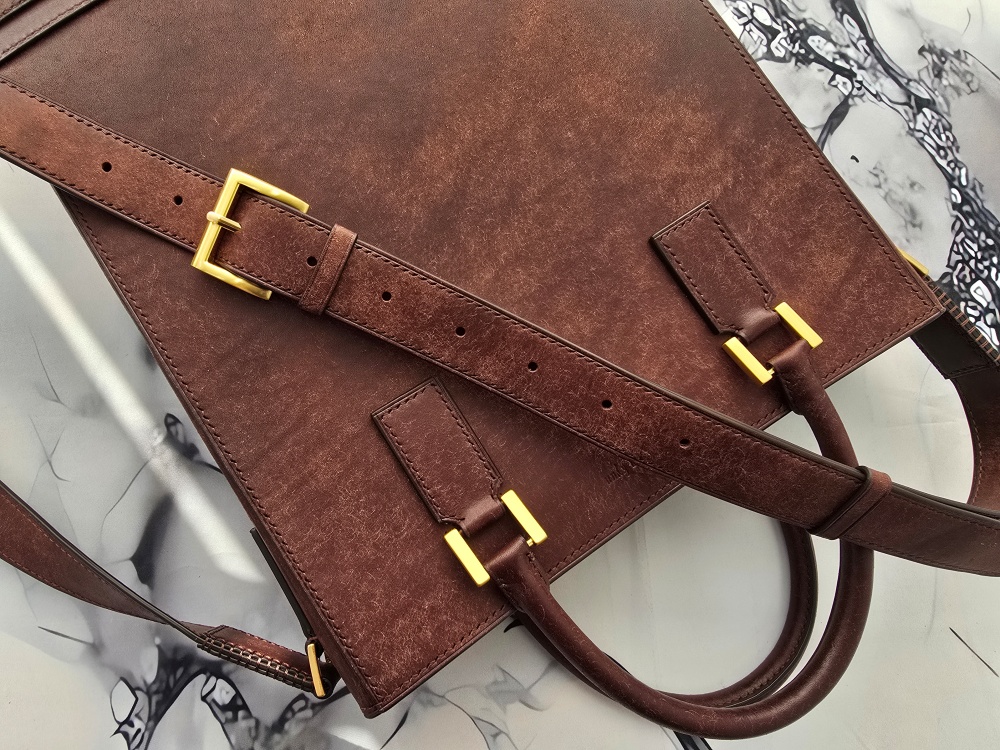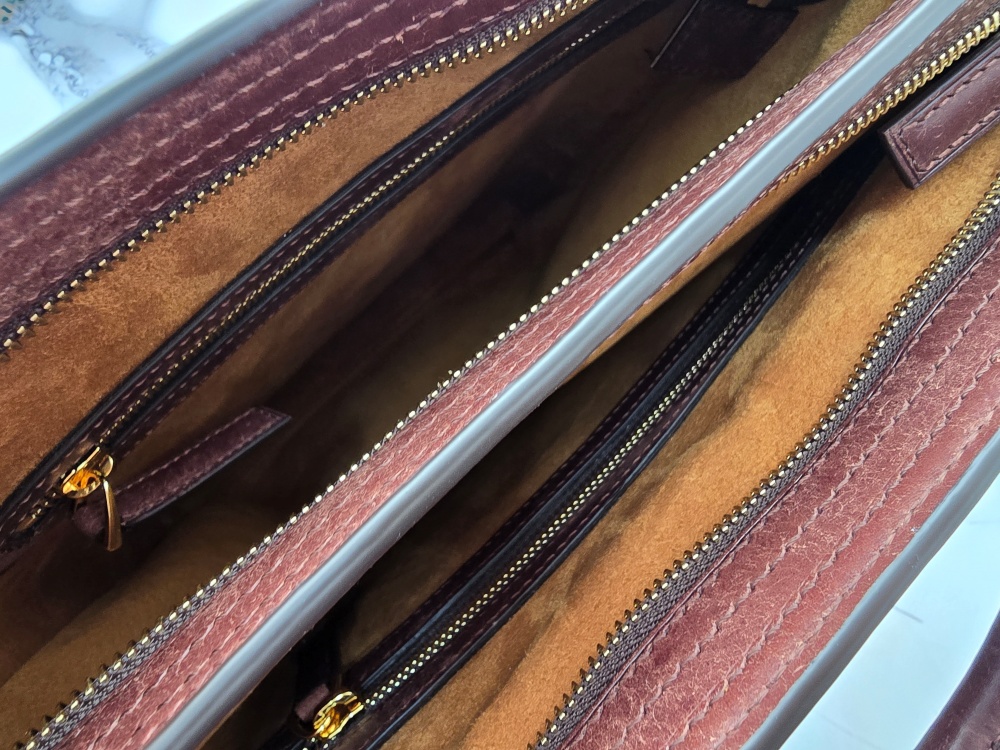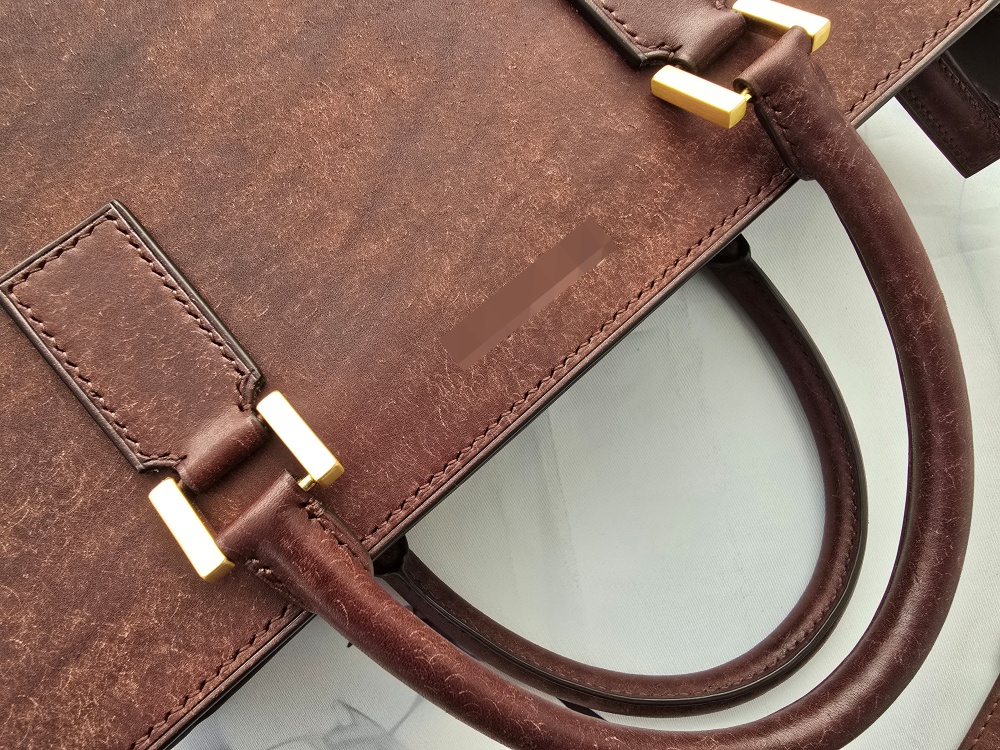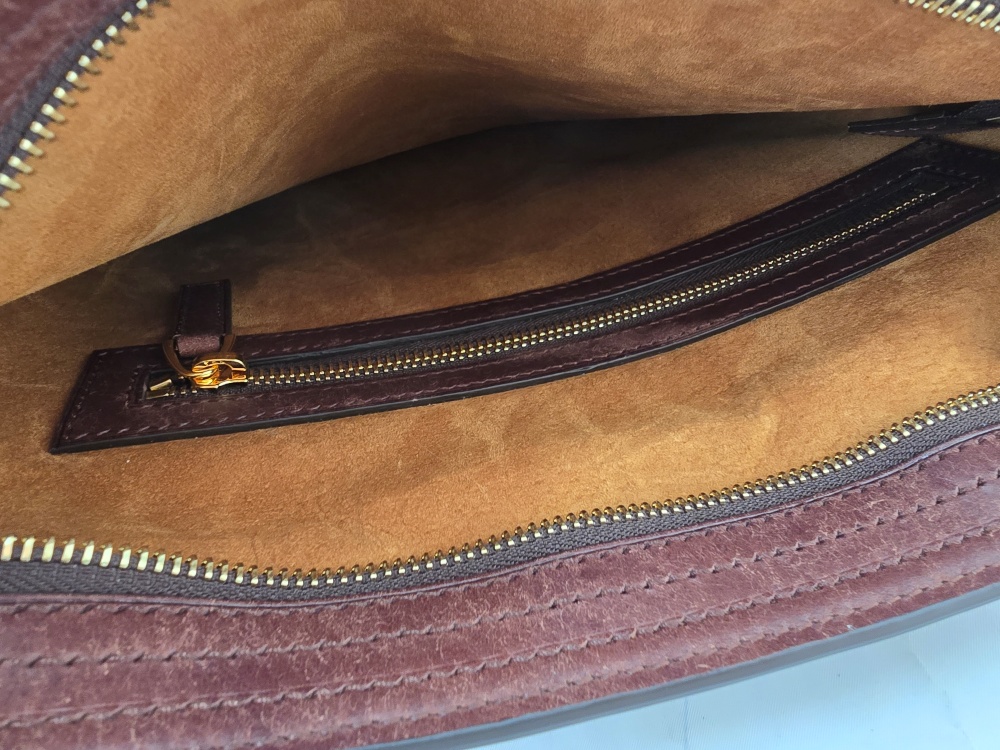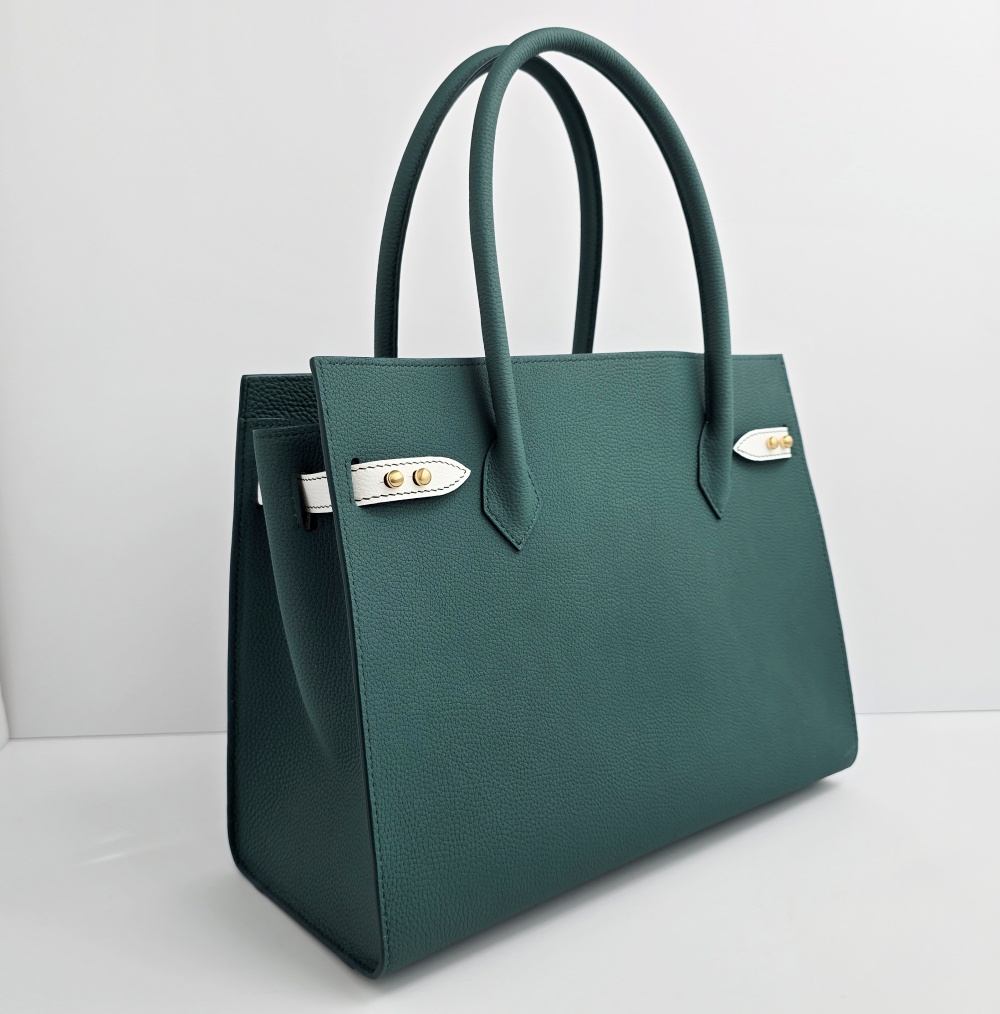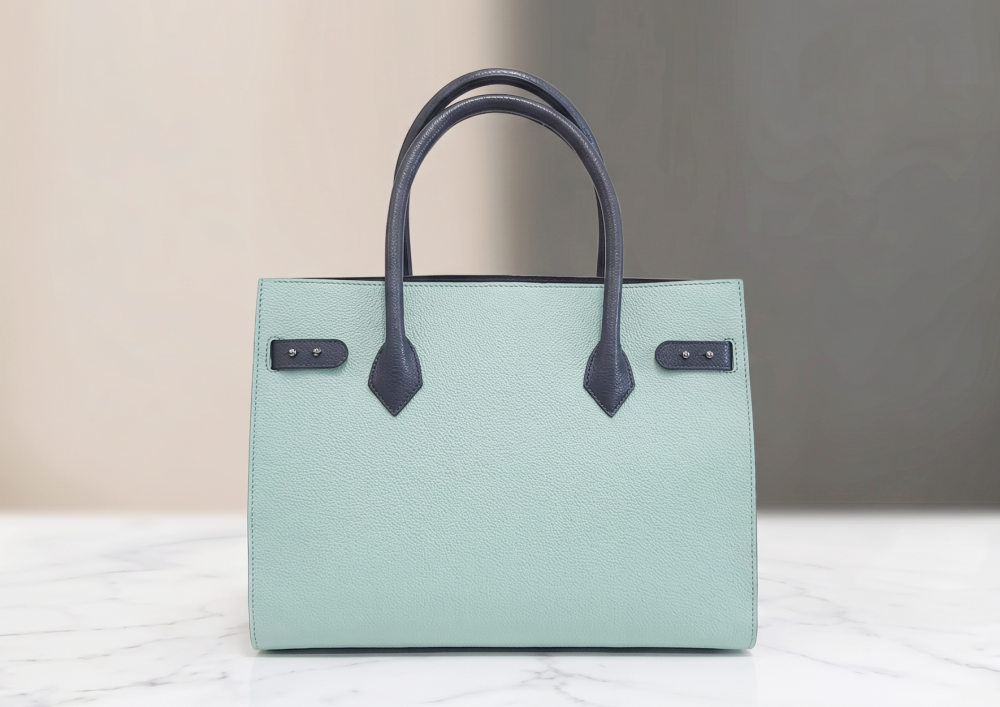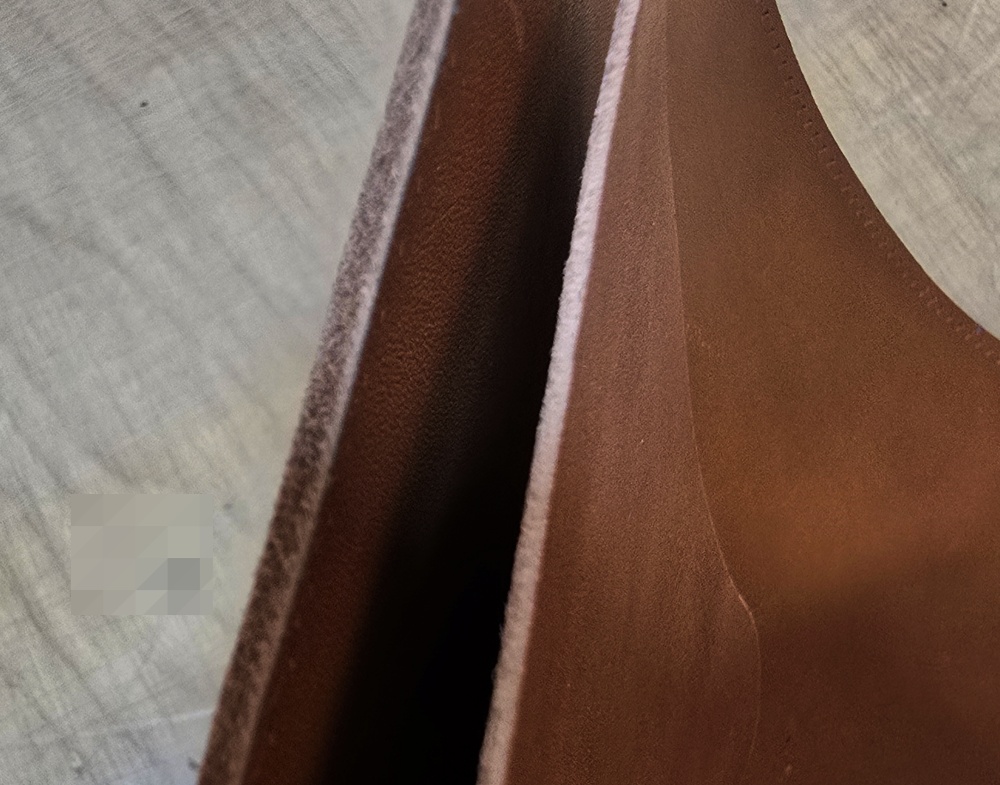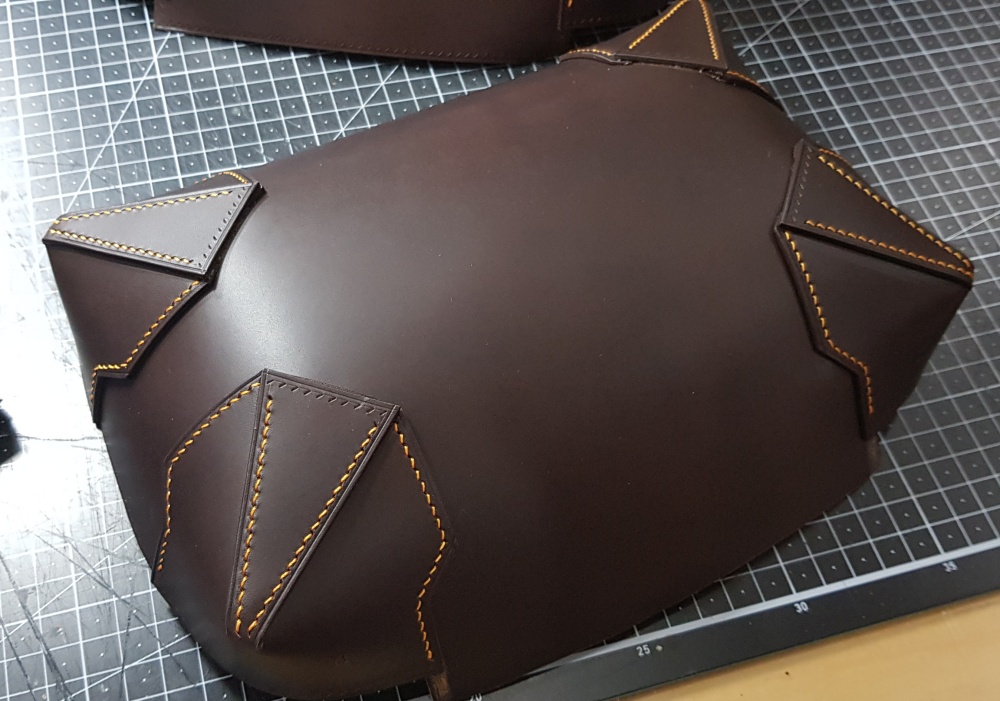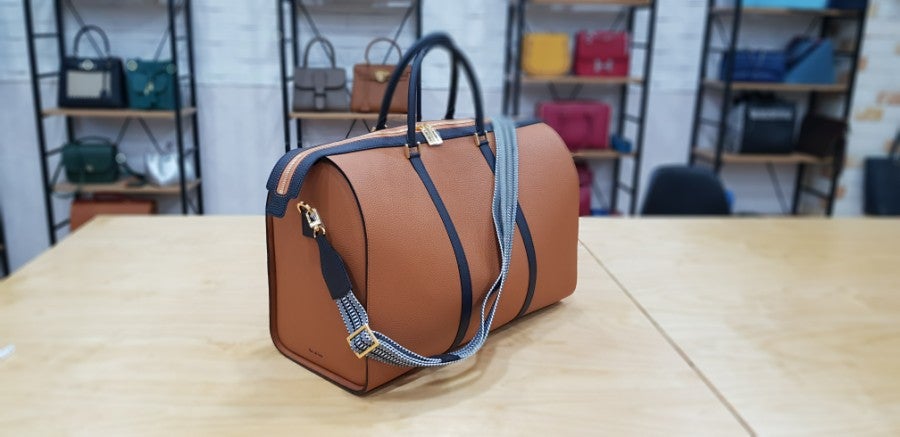
The bottom width of a leather bag is not simply a dimension that should be increased to hold more items. Even when two bags have the same width and height, changing the bottom width affects not only their capacity but also their overall silhouette, center of gravity, gusset angle, and opening range.
If the bottom is excessively wide, the bag may appear bulky and heavy. If it is too narrow, the necessary items may not fit, or the bag may tip over easily when placed on a surface. The bottom width of a leather bag should therefore be determined by considering both its intended appearance and actual conditions of use.
Exterior Bottom Width and Usable Interior Space Are Different
An exterior bottom width of 12 cm does not mean that the full 12 cm will be available inside the bag. The outer leather, lining, reinforcement materials, folded sections, and assembled layers all occupy part of the interior space.
When thick leather is used, or when several layers overlap where the bottom and gussets are joined, the usable interior width may be narrower than expected after assembly. For a detailed explanation of why pattern measurements can differ from finished dimensions, see Why Leather Bag Pattern Measurements Differ from Finished Dimensions: Leather Thickness, Folds, and Assembly Allowance.
When determining the bottom width, do not calculate only the exterior dimensions. You must also check the usable interior space after accounting for the thickness occupied by the leather and reinforcement materials.
First Decide What the Bag Will Carry
It is more accurate to determine the bottom width according to what the bag will carry than by the type of bag alone. A bag intended for thin items such as a wallet or phone requires a different bottom width from one designed for deeper objects such as a lunch box, camera, or cosmetic pouch.
Begin by checking the largest and most rigid item, then provide enough space to prevent it from being excessively compressed inside the bag. However, adding too much extra space can allow the contents to move around and shift the bag’s balance to one side.
Place the actual items on a sheet of paper and measure the required width and depth first. This reduces the risk of ending up with insufficient capacity or an unnecessarily large interior.
Compare the Bag’s Width and Height Together
The same 12 cm bottom width can look different depending on the bag’s overall width and height. It may appear well balanced on a wide, low bag, but the bottom may look excessively deep on a narrow, tall bag.
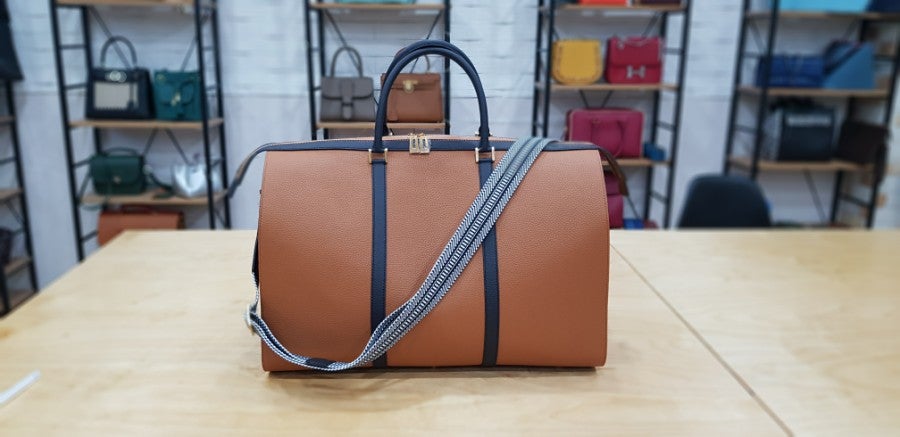
Instead of determining the bottom width separately and then fitting the body panels around it, compare the front-facing width with the height and depth visible from the side. Drawing the front and side silhouettes next to each other during the pattern stage makes it easier to judge whether the bottom is too wide or too narrow for the bag’s overall dimensions.
Applying one fixed proportion to every bag is not appropriate. Bags with different forms and purposes, such as tote bags, doctor bags, and briefcases, require different depths and gusset structures.
Bottom Width Affects the Center of Gravity
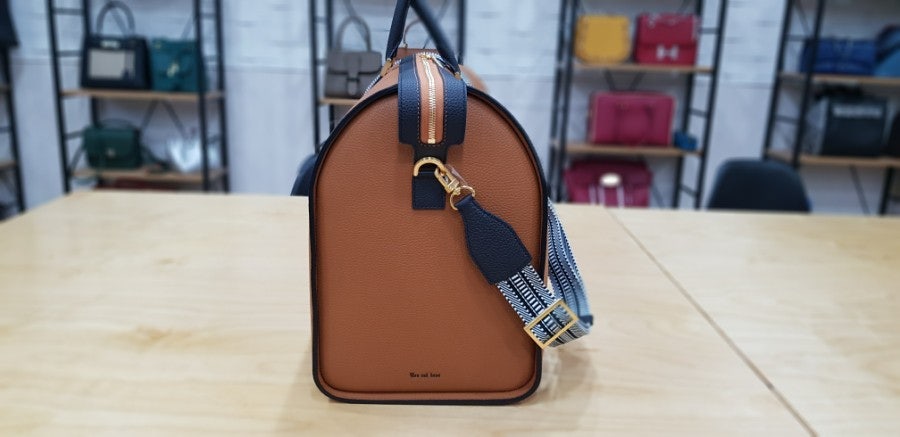
For a bag to stand securely when placed on a surface, its bottom must be able to support the weight of its contents. If the bottom is too narrow, even a small shift in the contents can cause the bag to lean or tip over.
Stability cannot be achieved simply by making the bottom wider. The handle position, body height, placement of the contents, and rigidity of the bottom reinforcement must work together. If the handles are positioned away from the bag’s center, the body may tilt when lifted and the shape may twist even when the bottom is sufficiently wide.
Test the bag both when empty and when filled with the items it is intended to carry. Check whether it leans forward, backward, or to either side.
The Gusset Shape Connects the Bottom and Opening
The finished form changes depending on whether the gusset maintains the same width from the bottom to the opening or gradually narrows toward the top. A structure with a wide bottom and a narrow opening can create a stable shape, but it may reduce the space available for inserting and removing items.
Maintaining the same generous width up to the opening makes the bag easier to use and fill, but the upper section may spread apart or the gussets may flare outward. For a zippered bag, the zipper length, end finishing, and gusset tension must also be reviewed.
When determining the bottom width, do not examine the bottom line alone. Check how the gusset flows from the bottom all the way to the opening.
The Same Pattern Changes with Different Leather and Reinforcement
Soft leather may allow the bottom and gussets to spread naturally under the weight of the contents. Firm leather retains the pattern shape more effectively, but folded sections and curves may occupy more space than expected.
If the bottom reinforcement is excessively rigid, only the base may remain flat while the connections between the body panels and gussets appear sharply bent. If the reinforcement is insufficient, the weight of the contents may concentrate in the center, causing the bottom to sag and disturbing the balance of the entire bag.
First determine the thickness and firmness of the leather and the coverage and rigidity of the reinforcement. The bottom width and assembly allowance should then be adjusted to suit those conditions.
Check the Bottom Width with a Paper Mock-Up First
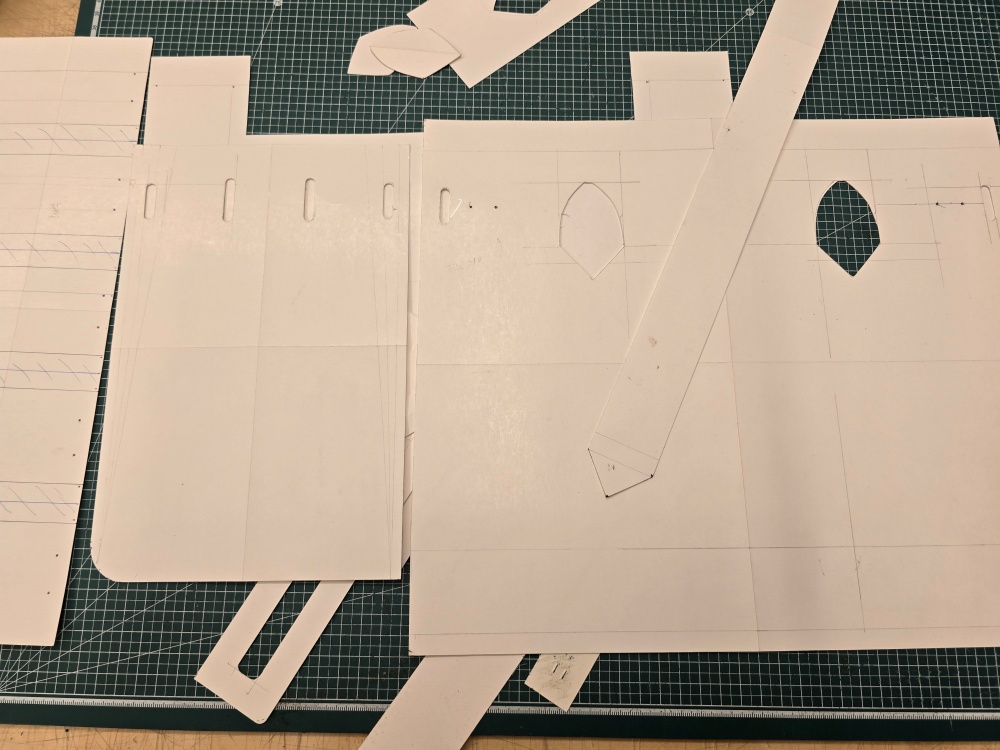
Before cutting the leather, make the body panels and gussets from paper or an inexpensive test material to check the bottom width and overall proportions. Placing the intended contents inside a simple full-size mock-up also allows you to evaluate the interior depth and usable opening range.
View the mock-up from both the front and side. Check whether the bottom projects excessively, whether the bag stands securely, and whether the opening provides enough room to insert and remove items. If a problem is found, revise the body height, gusset width, and opening dimensions together before cutting the leather.
A Well-Proportioned Bottom Width Preserves Both Form and Function
The bottom width of a leather bag is not merely a number used to increase capacity. It is a design standard that connects the bag’s appearance with its practical use. The intended contents, usable interior space, bag width and height, gusset flow, center of gravity, and reinforcement must all be considered together.
A finished bag should stand securely on its base, remain balanced when carried, and preserve its intended silhouette after items are placed inside. After completion, refer to Seven Standards for Evaluating the Quality of a Leather Bag: From Silhouette to Bottom Balance, which you can use to check the bag’s overall balance.
Rather than applying one fixed proportion when determining the bottom width, establish a clear standard suited to the bag’s purpose, materials, and construction. Developing this decision-making process allows you to determine the necessary dimensions and form independently when designing a new bag.