When first learning leathercraft, most people begin with visible techniques such as cutting, bonding, and stitching. However, if you simply follow a sequence of steps without understanding the principles of leathercraft, it becomes difficult to apply the same methods when the material or bag structure changes.
To create consistently well-made leather goods, you must understand not only how a technique is performed, but also why it is necessary.
Techniques allow you to repeat a defined process, while principles enable you to make sound decisions when working conditions change.
Why the Same Method Can Produce Different Results
In leathercraft, using the same tools and techniques does not always produce the same result. This is because leather type, thickness, fiber density, hide section, reinforcement, adhesive, thread thickness, and product structure can all vary.
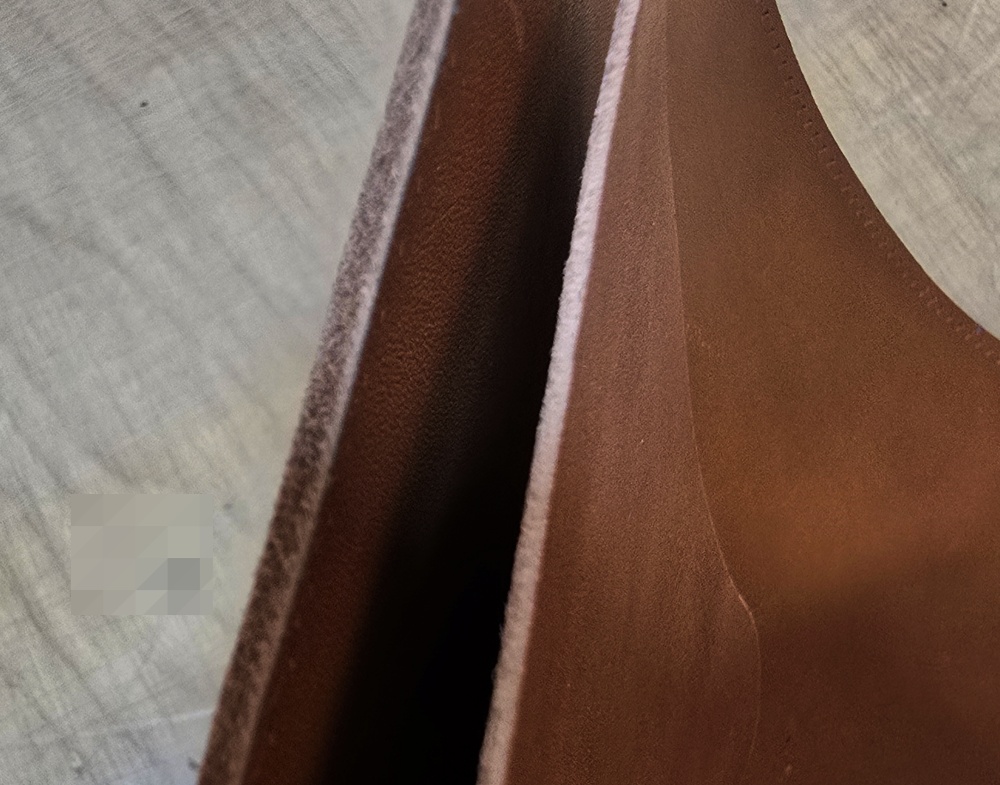
For example, some leathers maintain their shape even after being skived thin, while others may stretch easily under load or become weakened around the stitching line when skived to the same thickness.
The same principle applies when folding leather. If the same folding allowance is used for both soft and firm leather, the finished edges will differ in thickness and curvature.
Rather than applying one method unchanged to every leather and product, the working conditions should be adjusted to suit the material and structure being used.
The Limitations of Learning Techniques Without Understanding Principles

Following the exact construction sequence of a finished project can help beginners learn basic procedures. However, this approach makes it difficult to identify the cause when something goes wrong.
When stitching is uneven, it is easy to blame hand skills alone. When a bag loses its shape, it is also tempting to assume that it needs more reinforcement. In reality, the cause may be uneven leather thickness, an incorrect skiving area, differences in tension between components, the bonding position, or the construction sequence.
Adding another technique based only on the visible result may temporarily hide the problem, but the same issue is likely to return when making a different product.
Technique-Based Questions
- Which tool should be used?
- To what measurement should the leather be cut?
- How many stitches are needed?
- In what order should the components be bonded?
Principle-Based Questions
- What kind of force will this component receive?
- Why does only this area need to be thinned?
- Does this reinforcement maintain the shape or prevent stretching?
- How will the area being worked on affect the next construction step?
- Which area is most likely to deform first after repeated use?
Both types of questions are necessary. However, principle-based questions are essential when designing a new product independently and correcting structural problems.

Five Principles to Understand First in Leathercraft
1. Material Properties
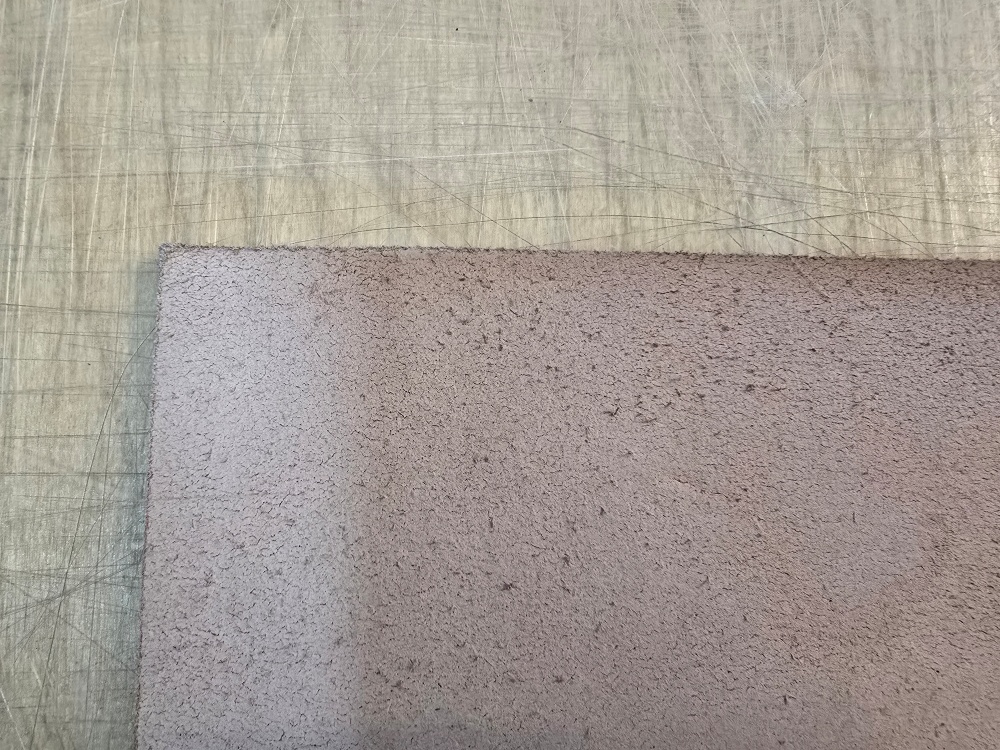
Even when two leathers have the same thickness, they may differ in firmness, stretch, fiber density, and surface finish. A maker should not judge leather by its name alone, but should evaluate its workability by folding, pulling, and skiving the actual material.
2. Thickness Distribution
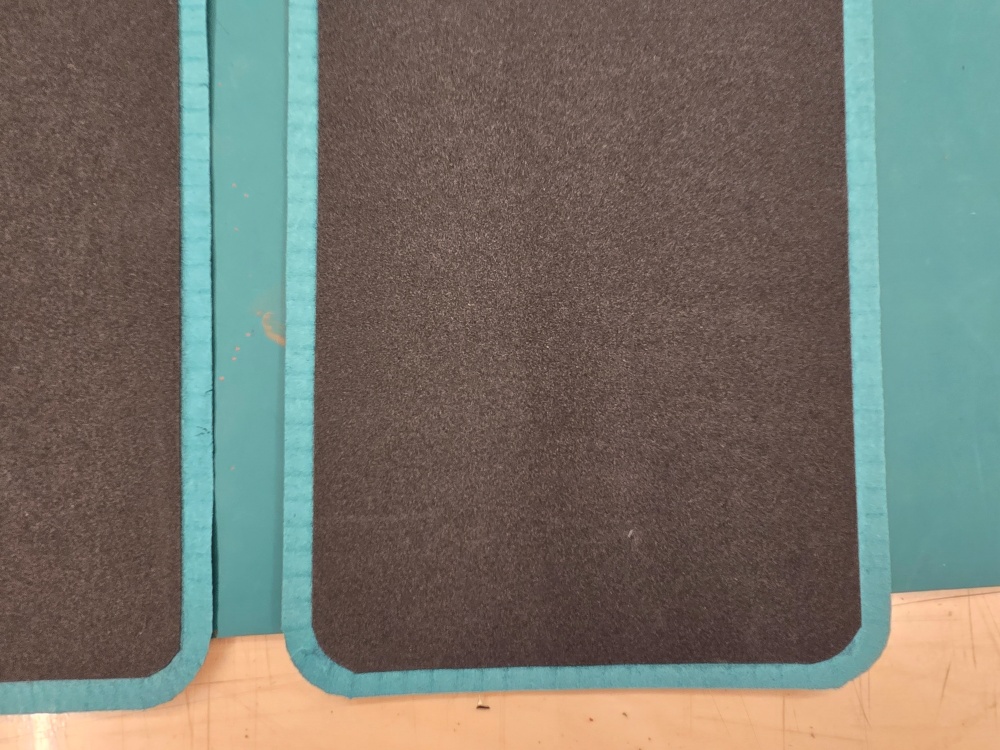
Not every part of a product needs to have the same thickness. Areas that support the structure, areas that need to fold naturally, and areas where several layers overlap require different thicknesses.
Thickness is not merely a measurement. It is a design element that determines how the product moves and how its silhouette is formed.
3. The Path of Force
When a bag is carried, the load travels from the handles through the body and into the bottom. Repeated tension is also applied to the opening and gussets whenever the zipper is opened and closed.
Understanding how these forces travel through the bag helps distinguish where reinforcement is needed and where flexibility should remain. Understanding why a bag loses its shapeallows you to design the appropriate stiffness and movement for each area instead of simply adding more reinforcement.
4. Construction Sequence
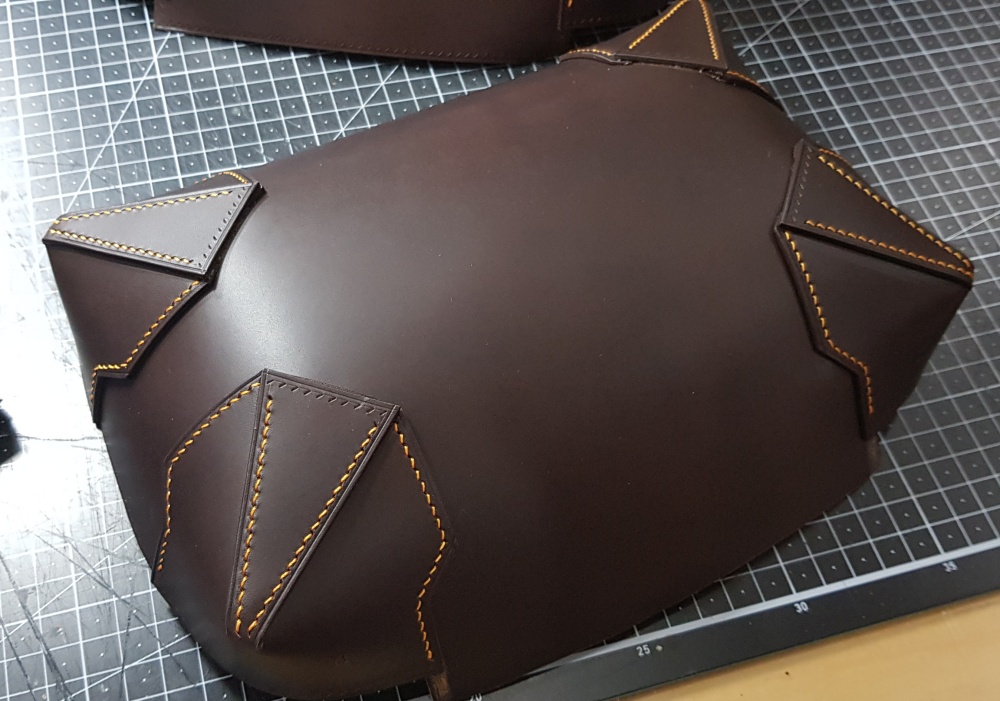
the leather bag construction sequenceis not simply a matter of convenience. The components assembled first determine the working space, reference lines, and bonding surfaces available in the following steps.
Changing the order of handle reinforcement, zipper attachment, lining assembly, and gusset construction can affect both the difficulty of the work and the quality of the finish, even when the same pattern is used.
5. Continuity of the Finishing Process
A refined finish is not suddenly created during the final stage. It is the accumulated result of accurate cutting lines, consistent skiving, aligned bonding surfaces, and precisely positioned stitching holes.
Applying several layers of edge paint or heavily polishing the surface at the end cannot correct structural errors created during earlier stages.
Quality is not created by one final finishing step. It is the result of maintaining the original standard throughout the entire construction process.

Understanding Principles Changes the Way You Interpret Failure
Without an understanding of principles, failure may appear to be nothing more than the result of poor hand skills. When you work with a clear understanding of the underlying principles, however, you can narrow down the cause by examining where and when the problem occurred.
If an edge is thick and uneven, the problem may not lie in the folding technique alone. The skiving range and overlapping structure must also be examined. If a handle attachment stretches, the way the load is transferred to the body and the extent of the internal reinforcement matter more than the number of stitches.
If the opening becomes twisted, check the symmetry of the left and right pattern pieces, zipper length, gusset tension, and assembly sequence before forcing the parts into alignment during final construction.
Analyzing a failure is not simply about finding a mistake. It is a process of revising your construction standards so that the same problem is not repeated in the next project.
What to Check Before Following a Tutorial
Studying another maker’s construction method can be useful. Before following it exactly, however, the following conditions should be checked.
- The type and actual thickness of the leather used
- The size and intended purpose of the finished product
- The load carried by the handles and straps
- The position and purpose of the reinforcement
- The areas that fold or move repeatedly
- The order in which the components overlap
- he differences between your materials and those used in the tutorial
Once these conditions are understood, a tutorial becomes a reference that can be interpreted for your own work rather than a fixed answer that must be copied exactly.
Learning the Principles Is Ultimately the Fastest Path
At first, learning the principles may feel slower than simply following a technique. This is because you must consider the relationships between material properties, structure, thickness, and force.
As your understanding of these principles grows, you no longer need to search for an entirely new method every time you make a different bag. You can apply established decision-making standards to new materials and structures and adjust only what is necessary.
Techniques develop proficiency, while principles make adaptation possible. When both are combined, a maker can move beyond simply following a pattern and begin evaluating and refining their own designs.
Rather than presenting isolated construction tips, Leather Craft WARP will continue building a systematic foundation that helps makers evaluate and design leather goods and bags independently.